
Reviewed by the Grounded Pick editorial team. This article was drafted with AI assistance and fact-checked before publishing. We may earn a commission from purchases made through links on this page — see our affiliate disclosure.
Quick Verdict (TL;DR)
- Light to medium skin + dark hair? Professional laser or an at-home IPL device gives the best long-term ROI.
- Darker skin tone? Seek Nd:YAG laser from a licensed clinic — skip at-home IPL.
- Blonde, grey, or red hair? Laser won't work. Epilating is the most cost-effective long-term option.
- Tight budget right now? Salon waxing works — just go in knowing the 10-year cost adds up to $7,000+.
- No recurring costs, no appointments? A quality epilator pays for itself in months.
Here is something most people never do: calculate what they have already spent on hair removal.
If you have been getting professional waxing on your legs, underarms, and bikini line every four to six weeks, you are likely spending $600 to $1,440 per year — before price increases. Over a decade, that is $6,000 to $14,400 in total, plus the time lost to appointments, regrowth windows where you cannot wax but cannot comfortably bare skin, and recurring ingrown hairs.
According to Lavish Beauty Laser's research on patient motivations, 85% of first-time laser patients switched because they wanted permanent results, while 72% pointed to long-term cost savings. Most of them — 65%, specifically — had been waxers. They did not switch because waxing stopped working. They switched because they finally did the math.
This guide helps you do that math before committing. It is a method comparison, not a product ranking — structured to tell you which hair removal approach actually fits your skin tone, hair color, pain tolerance, budget, and schedule in 2026.
How This Guide Was Researched
This comparison is based on published clinical literature, manufacturer specifications, verified consumer data, and reporting from independent beauty sources. It does not reflect hands-on device testing by Grounded Pick. Where claims depend on specific studies or sources, we link directly to them. For broader context on how we evaluate beauty products and brands, see our beauty products and buying guides overview.
The Science Behind Each Method (Why Results Differ)

Before comparing costs or pain, it helps to understand the mechanism — because the biology explains everything: who each method works for, why it works, and what "permanent" actually means.
How Laser and IPL Work
Laser hair removal operates through selective photothermolysis. According to the NCBI StatPearls clinical reference, lasers emit light at wavelengths between 600 and 1,200 nanometers. That light is selectively absorbed by melanin — the pigment in the hair shaft and follicle — generating heat that damages the follicle without significantly harming surrounding skin tissue. Over multiple sessions, that follicle damage leads to progressive and, for many candidates, permanent reduction in hair growth.
The specific laser type matters significantly. A literature review in Skin Therapy Letter identifies four main clinical laser types: the ruby laser (694 nm), alexandrite laser (755 nm), diode laser (800–850 nm), and Nd:YAG laser (1,064 nm). Each wavelength interacts differently with melanin concentration and skin depth — which is why laser candidacy depends on your specific combination of skin tone and hair color.
IPL (Intense Pulsed Light) is frequently marketed alongside laser but is not the same technology. IPL uses a broader light spectrum rather than a single focused wavelength. It is less targeted and less powerful per flash than true laser, which means more sessions to achieve comparable results — but it is more accessible and less expensive as an at-home consumer option.
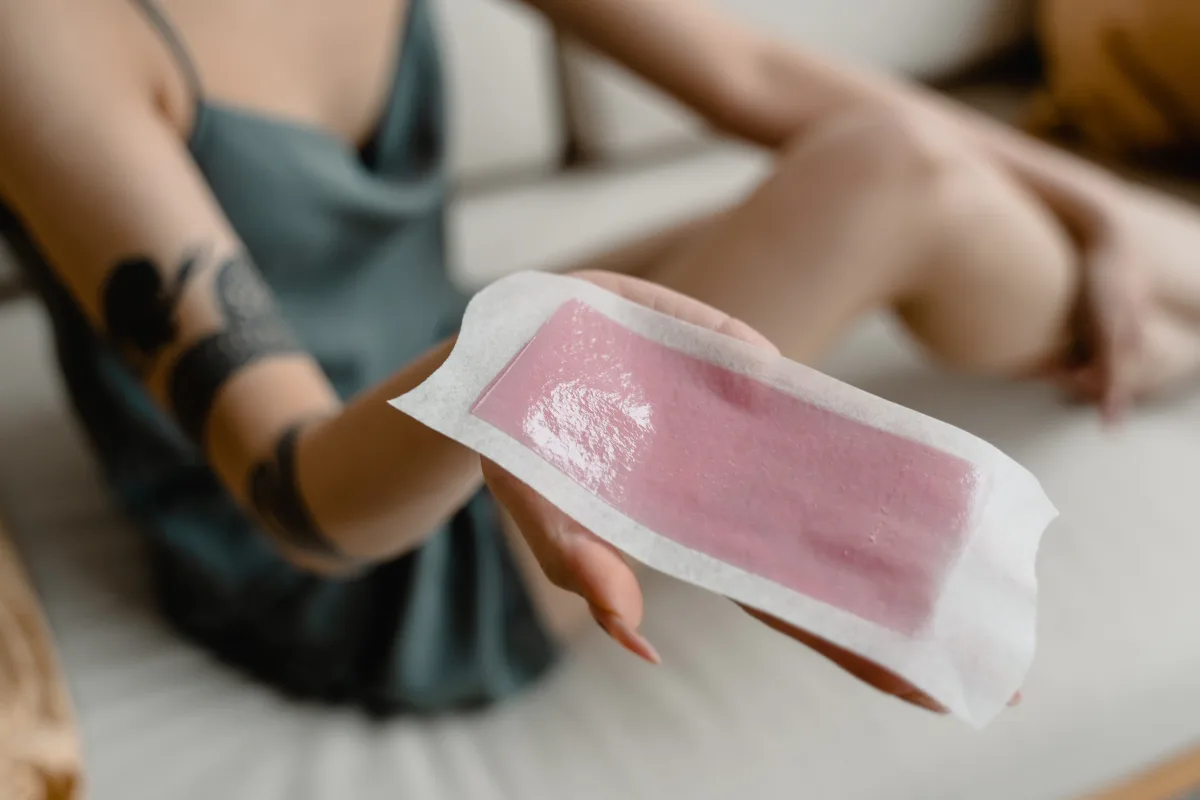
How Waxing Works
Waxing applies warm or cold wax to the skin, adheres to the hair shaft, and removes both the wax and the hair from the root with a sharp pull. The follicle itself is undamaged. Hair regrows normally on its own cycle — typically producing visible regrowth within two to six weeks. There is no mechanism by which waxing reduces future hair growth or changes the follicle. It is a temporary removal method, repeated indefinitely.
How Epilators Work
An epilator is an electrical device with a rotating head containing multiple small tweezers or discs that mechanically grasp and pull multiple hairs simultaneously. The biological effect is identical to waxing: hair removed at the root, follicle undamaged, same regrowth timeline. The difference is cost structure and delivery — no heat, no wax strips, no recurring consumable cost once you own the device.
Laser Hair Removal in 2026: What It Can and Cannot Do
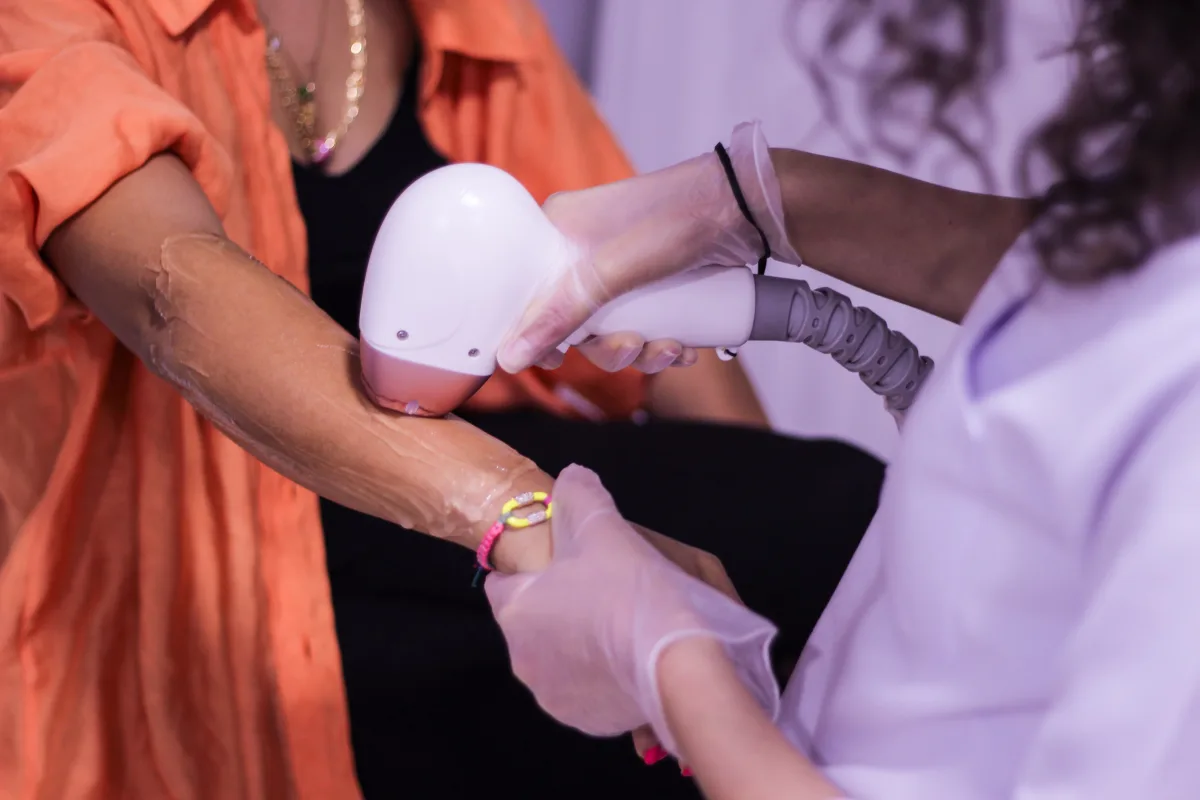
Laser is the only method in this comparison that can produce permanent results. But that phrase requires careful unpacking before it becomes useful advice.
The Skin Therapy Letter review confirms that efficacy depends on laser fluence, spot size, number of treatments, and individual factors including skin type, hair type, and hormonal status. Most suitable candidates achieve significant long-term reduction rather than complete permanent removal, though some achieve full cessation.
Who it works best for: The strongest candidates have dark, thick hair against light or fair skin. As board-certified dermatologist Hadley King, MD, explains via Vogue, laser targets melanin — so results are most reliable when there is a stark contrast between hair and skin tone. Darker skin carries higher burn risk if the wrong device or wavelength is used, because the laser can absorb into skin melanin rather than hair melanin. Blonde, grey, and red hair lacks sufficient melanin for standard laser or IPL to target effectively, regardless of skin tone.
Nd:YAG laser for darker skin tones: At 1,064 nm, Nd:YAG lasers penetrate deeper and bypass surface melanin more effectively, making them the preferred clinical choice for Fitzpatrick skin types IV–VI when administered by a trained professional. A PMC clinical study comparing home-use and diode laser devices confirms that multiple laser systems — including diode at 810–850 nm and Nd:YAG at 1,064 nm — have clinical validation for hair reduction across a range of skin types.
One detail that surprises first-timers: You should shave before a laser session, not wax or pluck. According to the Skin Therapy Letter review, waxing and plucking are actively discouraged before laser treatment because they remove the pigmented hair shaft the laser needs to target. Shaving leaves the shaft intact below the skin surface — exactly what laser requires.
Waxing in 2026: Still Worth It, or a Habit Worth Breaking?

Waxing has real advantages that deserve a fair hearing — the growing popularity of laser does not make waxing obsolete. For many people, it remains the most practical option.
Its biggest advantage: universal applicability. Waxing works on every skin tone and every hair color — blonde, grey, red, fine, coarse. No melanin requirement, no contraindications based on skin type. If you are not a laser candidate, waxing is one of the most effective temporary removal methods available.
Results typically last two to six weeks, and with consistent long-term waxing, some users report hair regrows finer and sparser. This is not a guaranteed or permanent effect — but it is a real pattern reported by long-term waxers.
The honest downsides:
- Ingrown hairs are a recurring problem, particularly in high-friction areas like the bikini line and underarms where coarse hair meets tight follicles.
- The regrowth window — the period where hair is too short to wax but long enough to be visible — creates practical inconvenience laser users largely avoid.
- Long-term cost. Session by session, waxing feels affordable. Across ten years, it is not.
As noted in the Clinik.ch hair removal comparison guide, waxing requires regular ongoing maintenance with no endpoint. That is accurate — and it is the single most important thing to weigh when comparing waxing against laser over a multi-year horizon.
If you're already committed to a comprehensive skin care routine and care about smooth, irritation-free skin, it's worth reading our best skincare routines guide alongside your hair removal planning — the two routines interact more than most people realize.
Epilators in 2026: The Underrated Middle Ground

Epilators rarely appear in serious laser-versus-waxing comparisons. That is a gap worth closing, because for a specific type of user, an epilator is the most rational choice available.
The financial case is straightforward. A quality epilator — the Braun Silk-épil 9 Flex, for example — retails in the $80–$120 range. That is a one-time purchase with no ongoing consumable cost. Compare that to monthly at-home wax strips or salon appointments, and the epilator pays for itself within a few months.
Pain is a real barrier for new users. The first few sessions on legs or underarms are uncomfortable in a way that surprises people expecting something gentler than waxing. Here is the honest picture: discomfort decreases significantly after the first month as hair becomes finer and follicles weaken slightly from repeated mechanical extraction. Wet-and-dry epilators rated for shower use tend to be less painful because warm water softens skin and opens follicles.
Modern epilators have evolved considerably. Current models include:
- Precision facial heads for upper lip and chin use
- Cooling attachments that numb skin before epilation
- Cordless designs suitable for travel
For anyone who travels frequently, dislikes scheduling salon appointments, or wants zero consumable cost and no clinic visits, an epilator is genuinely practical.
The hard limit: Epilators offer no path to permanent reduction. You are committing to a maintenance routine indefinitely — the same as waxing. The difference is cost structure and scheduling flexibility, not long-term outcome.
Side-by-Side Comparison: Cost, Pain, Permanence, and Time
The global hair removal market was valued at approximately $4.42 billion in 2026 and is projected to reach $8.96 billion by 2032 at a 12.1% CAGR, according to Research and Markets. That growth reflects a shift in how consumers think about hair removal — from a recurring task to a strategic investment.
| Factor | Professional Laser | At-Home IPL | Salon Waxing | Epilator |
|---|---|---|---|---|
| Upfront Cost | $1,000–$3,000+ (full course) | $150–$400 (device) | $50–$120 (per session) | $80–$150 (device) |
| Ongoing Cost | Low (maintenance sessions) | Near zero | High (indefinitely) | Near zero |
| Permanence | Long-term reduction; permanent for some | Significant reduction | None | None |
| Pain Level | Moderate (snap per pulse) | Mild to moderate | Moderate to high | Moderate to high (first sessions) |
| Sessions to See Results | 6–8 sessions over months | 8–12+ sessions over months | Immediate, every 4–6 weeks | Immediate, every 3–6 weeks |
| Skin Tone Compatibility | Light–medium best; Nd:YAG for darker | Light–medium best | All skin tones | All skin tones |
| Hair Color Compatibility | Dark hair only | Dark hair only | All hair colors | All hair colors |
| Ingrown Hair Risk | Low (decreases with sessions) | Low | High | Moderate to high |
The Break-Even Calculation
Here is the number that makes this decision concrete: if you are spending $100 per month on professional waxing, you will spend $1,200 per year. A professional laser course for legs and underarms typically costs $1,500 to $2,500 upfront — meaning the break-even arrives within two to three years, after which your ongoing cost drops dramatically.
For at-home IPL devices, the break-even versus salon waxing typically arrives within three to six months of purchase.
At-Home IPL Devices in 2026: Effective or Overhyped?

At-home devices occupy a useful middle ground between clinic visits and indefinite waxing — but the distinction between what they can and cannot do matters for setting realistic expectations.
Core limitation: power. Consumer devices operate at lower energy levels than clinical equipment due to safety regulations. A professional diode laser delivers significantly higher fluence than any consumer IPL device, which translates to faster results and more definitive follicle damage per session. At-home devices compensate by requiring more sessions over a longer timeline. This is not a technology failure; it is a deliberate safety trade-off.
Most at-home devices are IPL, not true laser. IPL uses a broader light spectrum that is less focused and less targeted than single-wavelength laser. The result is gradual reduction requiring consistent use over several months before significant changes become visible.
That said, the per-session cost of at-home IPL is remarkably low. According to Women's Health Magazine's guide to at-home laser devices, some IPL devices are rated for approximately 400,000 flashes — enough for years of full-body treatment — bringing cost per session to a fraction of any professional or salon alternative.
Forbes Vetted identifies the Braun Silk Expert Pro 5 as the best overall at-home device in 2026, citing its 10 intensity levels, range of accessory attachments, and built-in skin tone sensor that automatically adjusts intensity — a meaningful safety feature for first-time users.
The same eligibility rules apply. Darker skin tones and lighter hair are not well-served by at-home IPL. If you fall into either category, professional consultation before purchasing is worth the time.
Which Method Is Right for You? A Decision Framework
Skin tone is the single most important variable. Everything else follows from there.
Choose Professional Laser If:
- You have light to medium skin with dark hair
- You are thinking in 5–10 year terms about hair removal costs
- You want the fastest path to permanent reduction
- You can afford $1,500–$3,000 upfront
Choose At-Home IPL If:
- You have light to medium skin with dark hair
- Clinic costs are prohibitive right now
- You are comfortable with an 8–12+ session timeline for results
- You want a one-time device cost with minimal recurring expense
Choose Professional Nd:YAG Laser If:
- You have a darker skin tone (Fitzpatrick types IV–VI)
- Avoid at-home IPL devices without professional guidance — burn risk is real if device and skin tone are mismatched
Choose Waxing If:
- You have blonde, grey, red, or very fine hair (laser will not work)
- You prefer paying per session without any upfront device cost
- You want immediate results without a multi-month treatment timeline
- You need flexibility to treat any body area professionally and quickly
Choose an Epilator If:
- You have blonde, grey, red, or fine hair (same reason as waxing)
- You prefer a one-time device investment with zero ongoing cost
- You do not want to schedule appointments
- You travel frequently or prefer home-based routines
Body area matters too. Laser excels on legs, underarms, and bikini line — large areas with coarse, dark hair. For facial areas with fine or light hair, waxing or threading often remains more practical even for people who use laser elsewhere on the body. If skin condition is part of your consideration, the methods you choose here can also interact with your anti-aging skincare routine — particularly around facial treatments.
Pain tolerance shapes the experience of waxing and epilating more than laser. Laser discomfort is brief — a snapping sensation per pulse. Waxing involves a sharp, broad pull. Epilating produces a sustained mechanical sensation most intense in early sessions, which decreases over time. None of these methods is painless. Anyone claiming otherwise is oversimplifying.
Don't forget SPF. After any hair removal session — especially laser — the treated skin is more photosensitive than usual. A broad-spectrum sunscreen is non-negotiable between sessions and for several weeks post-treatment. Our best sunscreen guide for face and body covers the options worth using on recently treated skin.
Frequently Asked Questions
Can I use an at-home IPL device if I have tan skin?
Most at-home IPL devices use a skin tone sensor to automatically decline treatment on skin that reads as too dark for safe use. If you have naturally medium-to-dark skin, at-home IPL is generally not suitable. Nd:YAG laser from a licensed clinic is the appropriate route.
How many waxing sessions does it take before hair grows back finer?
There is no fixed number. Some users report noticeably finer regrowth after 6–12 months of consistent waxing. The effect varies significantly between individuals and is not guaranteed. The follicle itself is not permanently damaged by waxing.
Is epilating better than waxing for sensitive skin?
It depends on the sensitivity. Epilating does not use heat or chemicals, which eliminates the risk of wax burn or product reaction. However, the mechanical pulling action can cause redness and irritation in its own right. For very sensitive skin, patch testing any new method before full treatment is always advisable.
Can I wax between laser sessions?
No. Waxing removes the hair shaft from the follicle — the exact structure the laser needs to target. Between laser sessions, shaving is the only acceptable hair removal method. Plucking and waxing are both contraindicated.
Does hair removal affect skin aging or collagen?
Laser hair removal specifically has been studied for its effects on surrounding tissue; at clinical fluence levels, the thermal effect is targeted enough that collagen damage in the dermis is not a primary concern for standard hair removal sessions. If you are combining laser hair removal with broader skin treatments, coordinate with a licensed dermatologist. For the skincare side of that equation, see our best collagen supplements guide.
Where can I find hair removal products and deals?
Retailers like Ulta Beauty and Sephora carry at-home IPL devices, wax kits, and epilators. Both run regular sales and offer loyalty rewards that can meaningfully reduce the upfront cost of a device purchase.
Final Word
There is no single best hair removal method in 2026. There is only the best method for your skin tone, hair color, budget structure, and how you want to spend your time and money over the next decade.
The decision tree is simpler than it looks: skin tone and hair color first, then cost structure, then pain tolerance. Run those filters and the answer becomes fairly clear for most people.
If you are still unsure which method suits your situation, our beauty shopping assistant can help you compare options based on your specific inputs.
This article was drafted with AI assistance and reviewed before publishing. Grounded Pick may earn a commission from purchases made through links on this page at no additional cost to you. Read our full editorial and affiliate disclosures.
Discussion
No comments yet. Be the first to share your thoughts.