
Researched with AI assistance and fact-checked by our editorial team before publishing. We may earn a commission when you purchase through our links — this never affects our rankings. Full disclosure →
The Quick Verdict (If You're in a Hurry)
Before you read a single word of spec data, here's where the 2026 consensus lands across six independent testers:
- Best overall for backpacking: Salomon Quest 5 GTX — the most field-tested heavyweight boot of 2026
- Best lightweight boot: Salomon X Ultra 5 Mid GTX — top-scored on REI (96/100), GearJunkie, Switchback Travel, and hikingfeet.com simultaneously
- Best for cushioning: HOKA Kaha 3 GTX — best choice for joint-sensitive hikers or high daily mileage
- Best budget pick: Merrell Moab 3 Mid Waterproof — proven, affordable, and on nearly every list
- Best trail-to-town crossover: On Cloudrock Mid Waterproof — REI's highest scorer at 97/100
Keep reading to find out which one actually matches how you hike.
You're standing in a gear shop — or more likely, scrolling through a browser tab at 11pm — staring at a wall of hiking boots that all claim to be waterproof, lightweight, and trail-ready. The Salomon looks fast. The HOKA looks cushioned. The Merrell looks familiar. Every product page says the same thing: "perfect for any trail."
None of that helps you decide.
This guide takes a different approach. Rather than ranking boots from first to last, it helps you eliminate the wrong options fast — by weight class, use case, and budget — then zero in on the boot that fits how you actually hike. Every pick below is drawn from six independent testing sources: REI Expert Advice, GearJunkie, Outdoor Gear Lab, Switchback Travel, hikingfeet.com, and Mountaineer Journey. No single outlet drives any pick here — consensus across multiple testers does.
If you're building a complete outdoor kit beyond footwear, our 2026 Outdoor & Sports Gear Buyer's Guide covers trail-ready equipment worth pairing with your boots, and our Best Camping & Hiking Gear guide for 2026 goes deep on everything from packs to shelter.
How This Guide Was Researched
This guide is based on manufacturer specifications, expert testing sources, and verified customer feedback aggregated from six independent publications listed above. It does not reflect hands-on testing by Grounded Pick. We synthesize where multiple testers converge — because boots that earn praise from unrelated reviewers are a stronger signal than any single "best of" list.
Head-to-Head: Top Hiking Boots of 2026 at a Glance
Before diving into individual profiles, here's a direct comparison of the most-tested 2026 boots. Weight figures are men's unless noted.
| Boot | Approx. Price | Weight (Men's) | Waterproof | Category | Best For |
|---|---|---|---|---|---|
| Salomon Quest 5 GTX | ~$230 | 2 lbs 9.3 oz | Gore-Tex | Heavyweight | Heavy backpacking, ankle support |
| Salomon X Ultra 5 Mid GTX | ~$180 | 1 lb 15 oz | Gore-Tex | Lightweight | Day hikes, light backpacking, mixed terrain |
| HOKA Kaha 3 GTX | ~$230 | Midweight | Gore-Tex | Midweight | Day hikes, backpacking, cushion-focused |
| Merrell Moab 3 Mid Waterproof | ~$130 | — | Proprietary membrane | Midweight | Budget day hikes, moderate backpacking |
| Lowa Renegade Evo GTX Mid | ~$275 | 2 lbs 9.6 oz | Gore-Tex | All-around midweight | Day hikes, backpacking, longevity-focused |
| On Cloudrock Mid Waterproof | ~$180 | — | Waterproof | Lightweight crossover | Trail-to-town, day hikes |
| KEEN Hightrail Mid Waterproof | ~$160 | — | Waterproof | Lightweight | Day hikes, casual trail use, wide feet |
REI Expert Advice scoring (out of 100): On Cloudrock Mid Waterproof leads at 97. Merrell Moab Speed 2 Mid GTX, Lowa Renegade Evo GTX Mid, and Salomon X Ultra 5 Mid GTX all score 96. Danner Mountain 600 Leaf GTX: 96. KEEN Hightrail Mid Waterproof: 93. Oboz Sawtooth X Mid Waterproof: 92.
Three boots appear on the most independent testing lists simultaneously: the Salomon Quest 5 GTX, the HOKA Kaha 3 GTX, and the Salomon X Ultra 5 Mid GTX. Cross-source consensus like this is a stronger buy signal than any single outlet's top pick.
Lightweight vs. Midweight vs. Heavyweight: Which Boot Category Do You Actually Need?
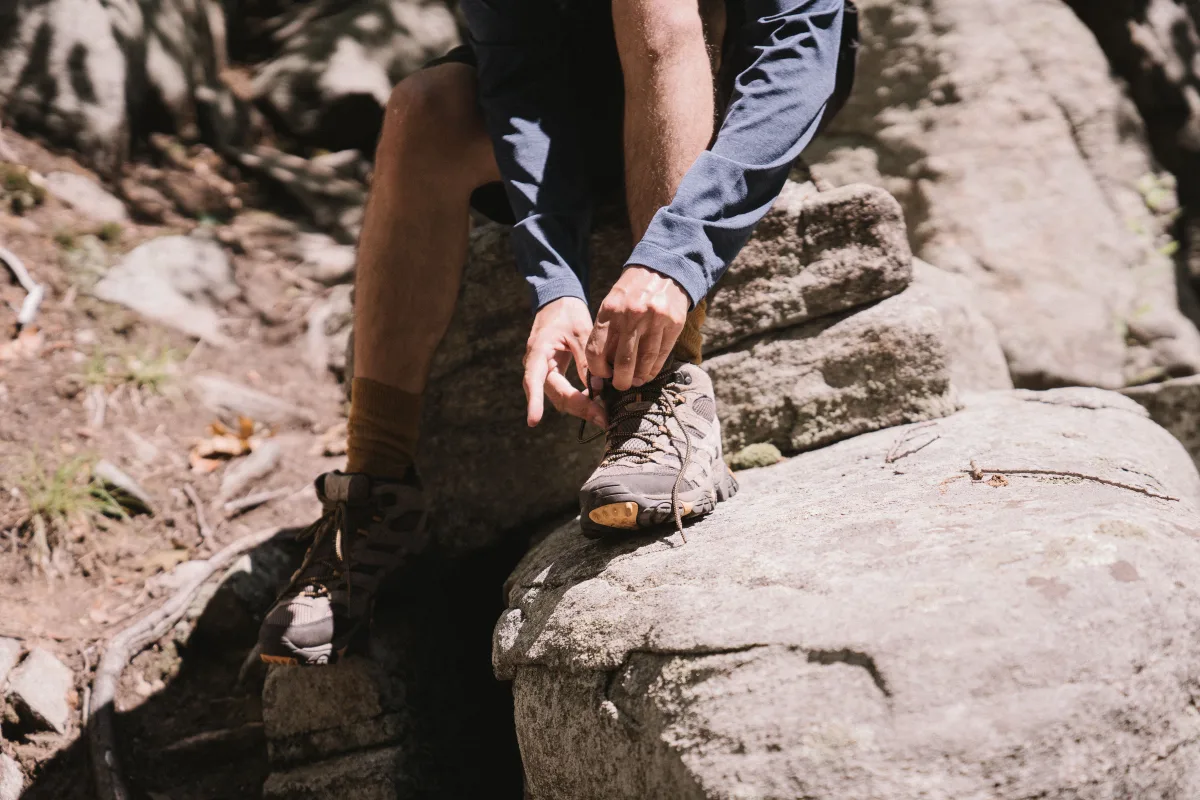
The most common and expensive mistake hikers make is choosing a boot by brand reputation without matching weight class to use case. A $230 heavyweight boot is a poor choice for a fast day hiker. A 1 lb 15 oz lightweight boot will leave you under-supported on a 5-day trip with a 45-pound pack.
Here's how the categories break down:
- Lightweight (under ~2 lbs per pair): Day hikes, trail-running crossover, fast-and-light backpacking under 25 lbs. Prioritizes speed and flexibility over support. Examples: Salomon X Ultra 5 Mid GTX (1 lb 15 oz), Altra Lone Peak 9 WP (1 lb 15.9 oz).
- Midweight (roughly 2–2.5 lbs): Multi-day trips with moderate pack weight, well-maintained trails, hikers who want cushioning without going maximalist. Examples: HOKA Kaha 3 GTX, Merrell Moab 3 Mid.
- Heavyweight (2.5 lbs+): Extended backpacking, off-trail terrain, heavy loads, or hikers with a history of ankle instability who need maximum support. Examples: Salomon Quest 5 GTX (2 lbs 9.3 oz), Lowa Renegade Evo GTX Mid (2 lbs 9.6 oz).
According to Switchback Travel, lightweight boots are "nimble enough for day hikes and short backpacking trips, yet still offer more support than a trail running shoe." Outdoor Gear Lab maps lightweight options (Columbia Crestwood, Topo Athletic Trailventure 2 WP) to day hikes, midweights (HOKA Kaha 3, Merrell Moab 3) to day hikes and backpacking, and heavyweights (Salomon Quest 4 Gore-Tex, Zamberlan 996 Vioz GTX) to technical terrain with heavy loads.
If you're unsure, err toward midweight. It's the most forgiving category for mixed conditions. Your trail type matters as much as your pack weight — rocky, uneven terrain demands more lateral support than a groomed forest path.
Best Overall Hiking Boot of 2026: Salomon Quest 5 GTX
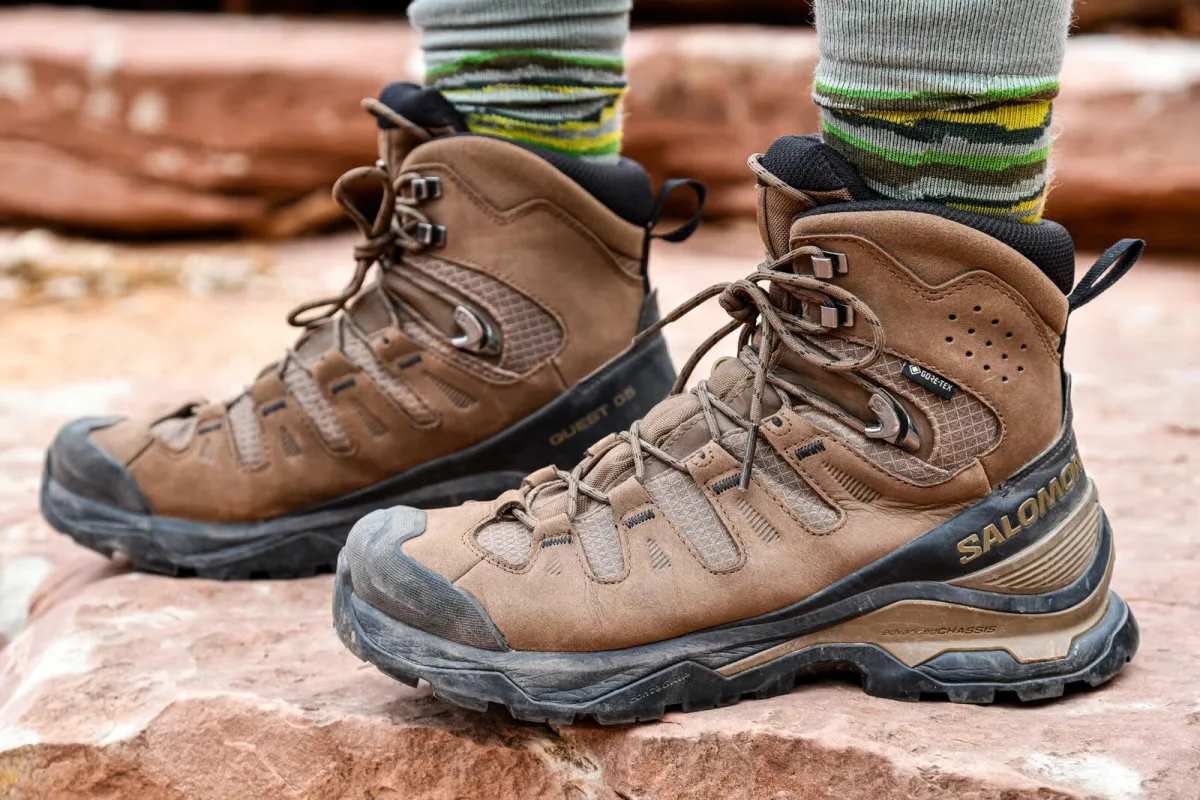
GearJunkie named the Salomon Quest 5 GORE-TEX its Best Overall Hiking Boot for 2026, adding it to their guide in May 2026 after dedicated field testing covering approximately 40 miles of trail use. At ~$230 and 2 lbs 9.3 oz (men's), it sits at the heavier end of the spectrum — and that's intentional.
The Quest 5 is built for hikers who carry real loads on real terrain. The Gore-Tex membrane provides reliable waterproof protection, and the construction prioritizes ankle support and durability over minimal weight. The women's version — the Quest Echo GTX — was released alongside the men's model and was included in GearJunkie's 2026 update.
The honest trade-off: if you're doing day hikes on well-maintained trails with a light pack, the Quest 5's weight works against you. You'll feel it on long descents. But if you're loading up for a multi-day trip through the Cascades or Wind Rivers, the support and durability justify every ounce. This is a boot that earns its weight under the conditions it was designed for.
Best for: Backpackers carrying 35+ lbs, technical terrain, hikers with ankle instability history Skip if: You do mostly day hikes or fast-and-light trips
Best Lightweight Hiking Boot of 2026: Salomon X Ultra 5 Mid GTX
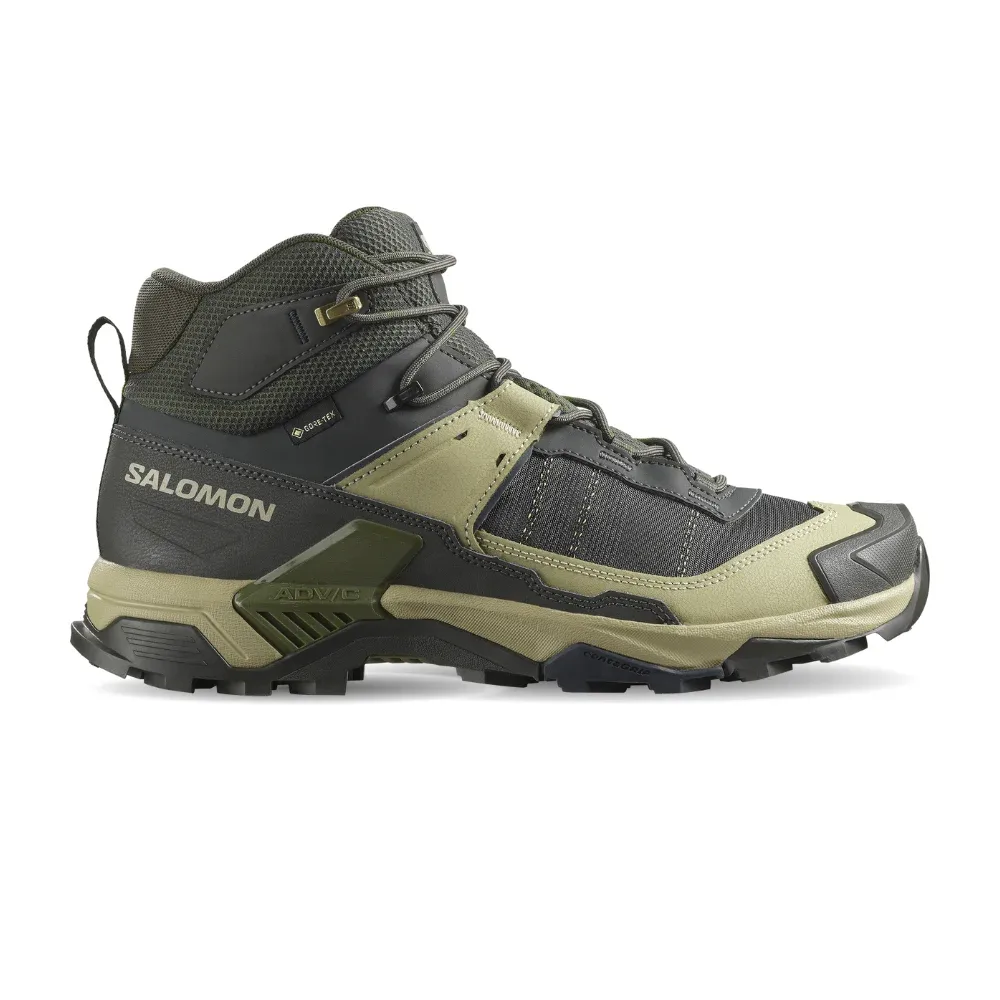
The Salomon X Ultra 5 Mid GTX appears on more independent testing lists than any other lightweight boot in 2026. REI Expert Advice scored it 96 out of 100. GearJunkie named it Best Lightweight Hiking Boot. Switchback Travel, hikingfeet.com, and Better Trail all feature it prominently. That level of cross-source consensus is rare.
At ~$180 for the men's version (1 lb 15 oz) and ~$180 for women's (1 lb 12 oz), the upper combines leather and textile with Gore-Tex waterproofing. Hikingfeet.com tester Jory — who logs over 1,000 miles per year in footwear testing — tested the X Ultra 5 Mid at New Mexico's Mt. Taylor, noting strong multi-surface traction on mixed terrain.
Salomon's X Ultra line debuted in 2012, at a time when the hiking boot market was dominated by tall, heavy leather models. The X Ultra 5 Mid GTX represents the current peak of that design philosophy — according to Better Trail, it "strikes a smart balance between trail-runner agility and backpacking-boot support, offering a stable yet lightweight build without sacrificing protection."
Where it falls short: The X Ultra 5 is not the right choice for heavy loads or sustained off-trail travel on loose scree. Its lightweight construction means less midsole stiffness than the Quest 5, which reduces support when pack weight climbs above 35 lbs.
Best for: Day hikes, light backpacking, mixed terrain, speed-focused hikers Skip if: You carry heavy loads or spend significant time scrambling on loose surfaces
Best Cushioned Boot of 2026: HOKA Kaha 3 GTX
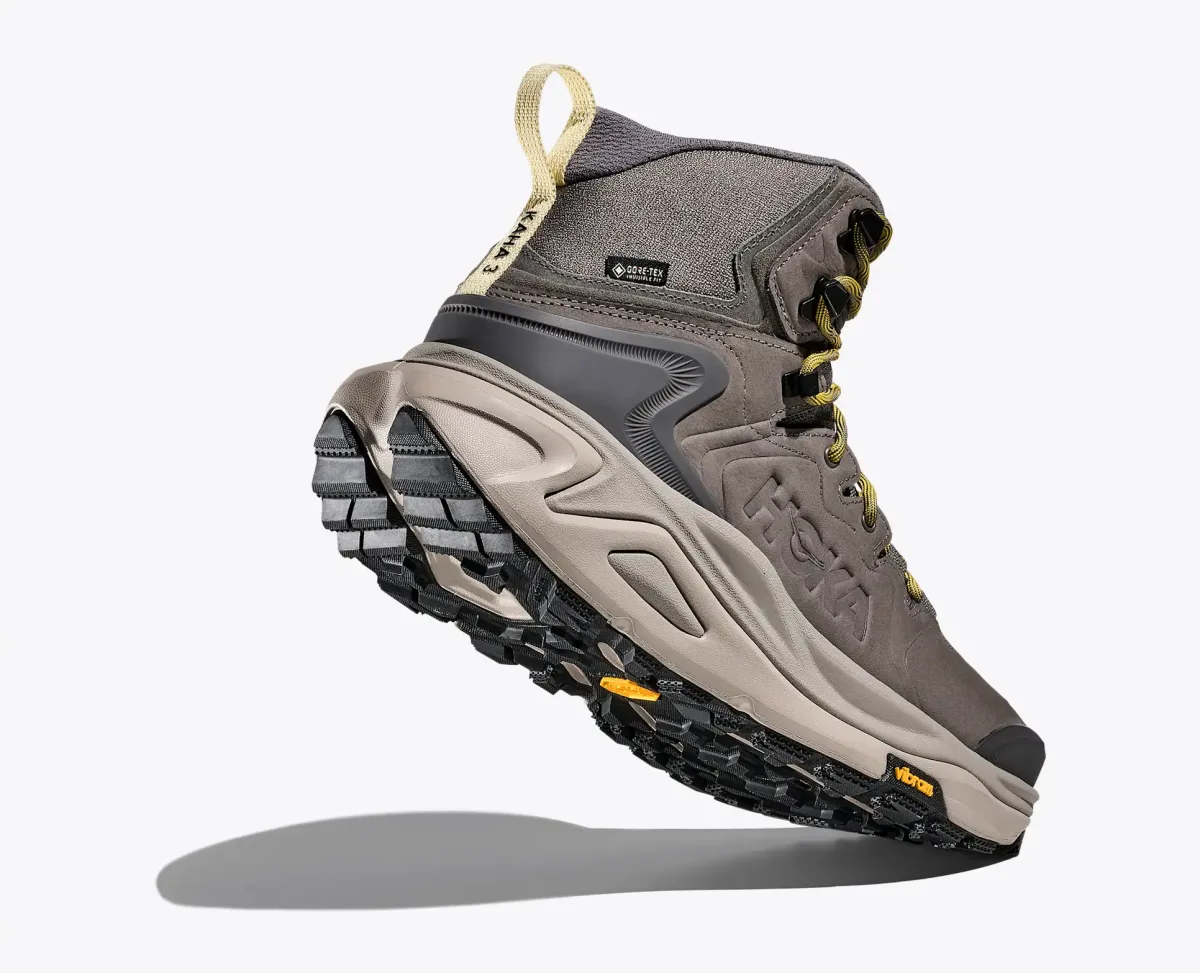
The HOKA Kaha 3 GTX occupies a distinct niche: maximalist cushioning without sacrificing ankle support. Mountaineer Journey named it the best overall hiking boot of 2026, calling it ideal for "beginner hikers to advanced trekkers." Outdoor Gear Lab classifies it as midweight, suited for both day hikes and backpacking.
At ~$230, it matches the Quest 5 in price but takes a fundamentally different design approach. Where the Quest 5 prioritizes structural support under load, the Kaha 3 prioritizes comfort over long miles on maintained trails. HOKA's signature maximalist midsole absorbs impact differently than traditional hiking boot midsoles — a meaningful advantage for hikers with knee sensitivity or those logging high daily mileage on hard-packed surfaces.
The trade-off is ground feel. On technical or loose terrain, the thick midsole reduces proprioception — your ability to sense what's underfoot. Hikers who spend time on scrambles, talus fields, or off-trail routes often find cushioning-forward designs work against them. The Kaha 3 is at its best on established trails with moderate elevation change.
Best for: Hikers with joint sensitivity, beginners building mileage, high daily mileage on maintained trails Skip if: You frequently hike technical terrain, scramble, or need strong ground feel
Best Budget Waterproof Hiking Boot of 2026: Merrell Moab 3 Mid Waterproof
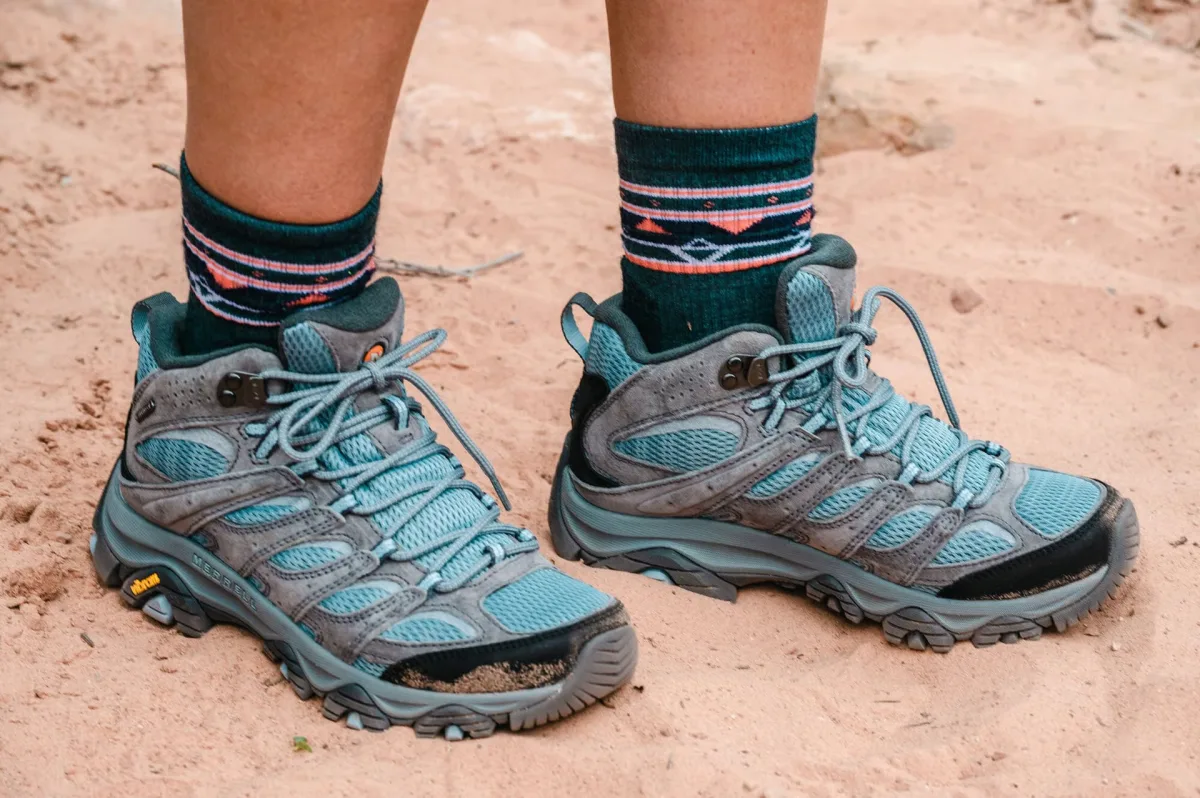
GearJunkie named the Merrell Moab 3 Mid Waterproof its Best Budget Hiking Boot for 2026, priced at ~$130. Mountaineer Journey also lists it as the best budget boot. REI's scoring table gives the Merrell Moab Speed 2 Mid GTX a 96 out of 100 — the joint-highest score in REI's evaluation.
The Moab 3 has been a staple of hiking boot roundups for years, and the 2026 version maintains that reputation. It offers waterproof protection, durable construction, and enough support for day hikes and moderate backpacking. At roughly $100 less than the Salomon Quest 5 and HOKA Kaha 3, it's the most accessible entry point into a genuinely capable waterproof hiking boot.
What you give up at $130 vs. $230: some refinement in fit, slightly less sophisticated waterproofing (Merrell uses its own membrane rather than Gore-Tex in the base Moab 3), and a heavier feel than the Salomon X Ultra 5. For occasional hikers, those building their first serious kit, or anyone who wants a reliable boot for weekend day hikes without a premium investment, the Moab 3 Mid Waterproof is the most defensible choice in its price range.
Outdoor Gear Lab also lists the Merrell Moab 3 Mid Waterproof in its midweight category for both day hikes and backpacking, confirming its versatility across use cases.
Best for: Budget-conscious hikers, beginners, occasional day hikers, first serious boot purchase Skip if: You need Gore-Tex performance, are carrying heavy loads regularly, or prioritize lightweight above all
Other 2026 Boots Worth Knowing About
Lowa Renegade Evo GTX Mid (~$275)
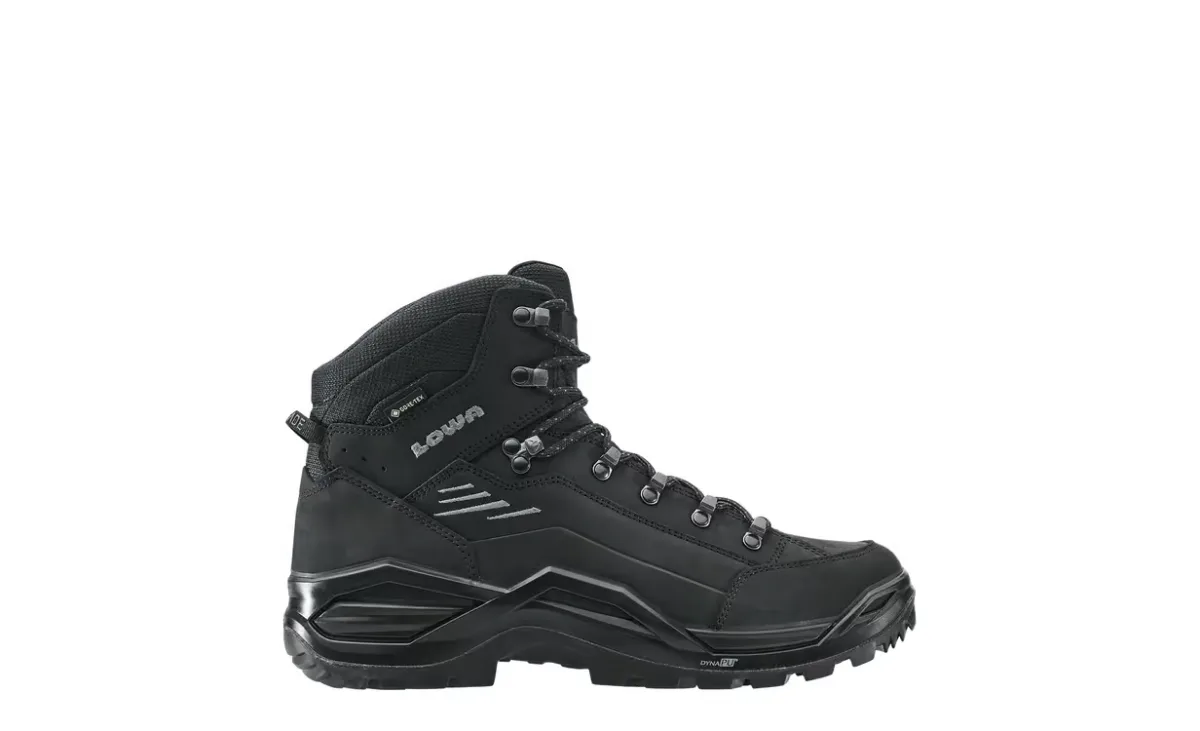
REI Expert Advice scored the Lowa Renegade Evo GTX Mid 96 out of 100. It's the most expensive boot in this roundup, but Switchback Travel notes its nubuck leather upper with Gore-Tex waterproofing and all-around classification for day hikes and backpacking. Lowa's reputation rests on fit precision and long-term durability — it's a boot that rewards hikers who prioritize craftsmanship and are willing to invest in a longer lifespan over multiple seasons.
On Cloudrock Mid Waterproof (~$180)
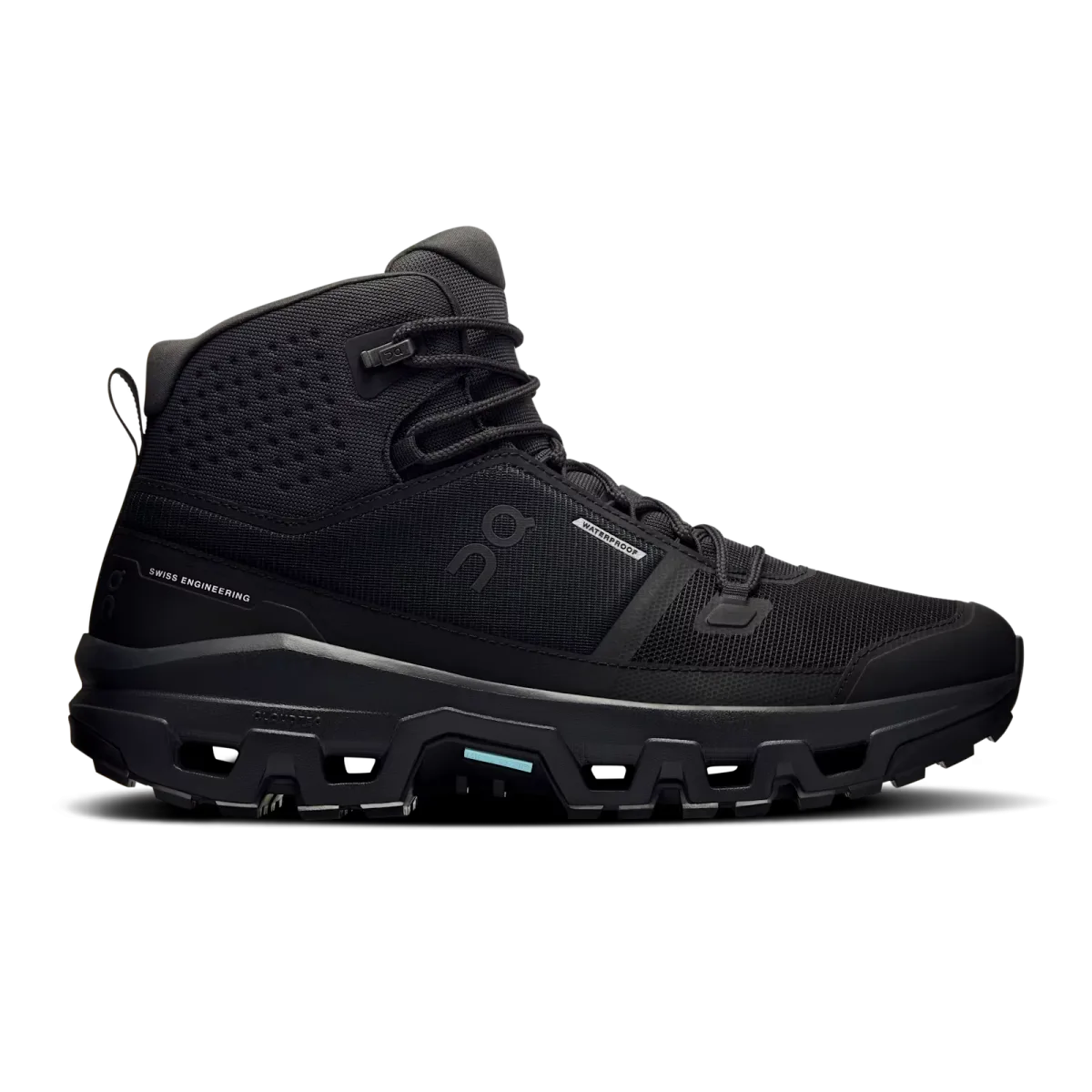
REI's top scorer at 97 out of 100, the On Cloudrock Mid Waterproof is a trail-to-town crossover offering lightweight versatility with waterproof protection. REI describes it as offering "lightweight versatility, waterproof protection and durable but flexible ride." Best for hikers who want a boot that transitions between trail and everyday wear. Wirecutter notes that trail-running-shoe-influenced designs like this are better suited for general wear and rainy-weather commuting than dedicated technical hiking — a fair caveat for buyers planning to push into demanding terrain.
KEEN Hightrail Mid Waterproof (~$160)
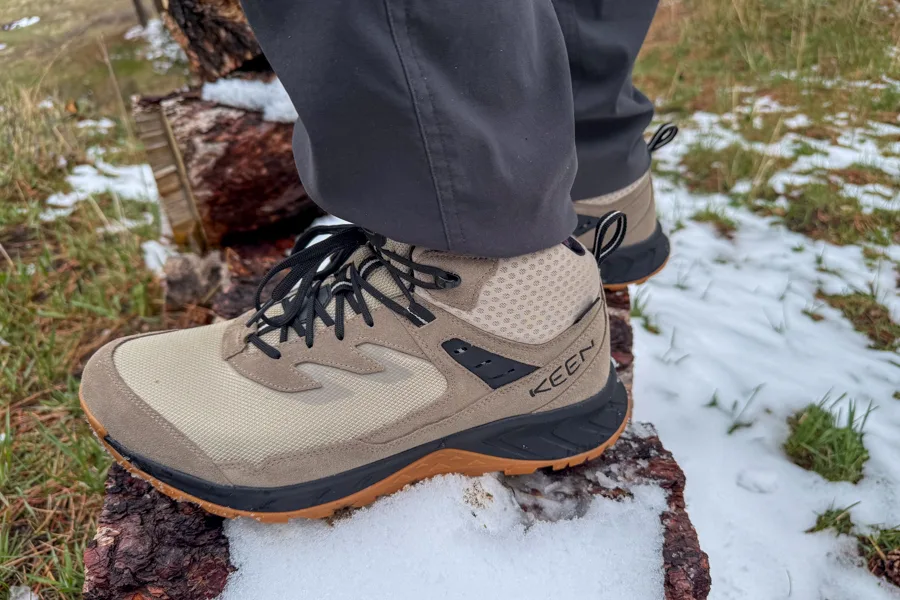
REI scored it 93 out of 100, describing it as "versatile, lightweight and durable" and designed to tackle trail while doubling as an everyday shoe. KEEN's wide toe box is a meaningful fit advantage for hikers with wider feet who find Salomon's narrower last uncomfortable. The KEEN Targhee IV — another KEEN option covered by Backpacker magazine — adds a lifetime guarantee against outsole delamination thanks to mechanical bonding, worth noting for hikers who put serious miles on their boots.
Oboz Sawtooth X Mid Waterproof (~$160)
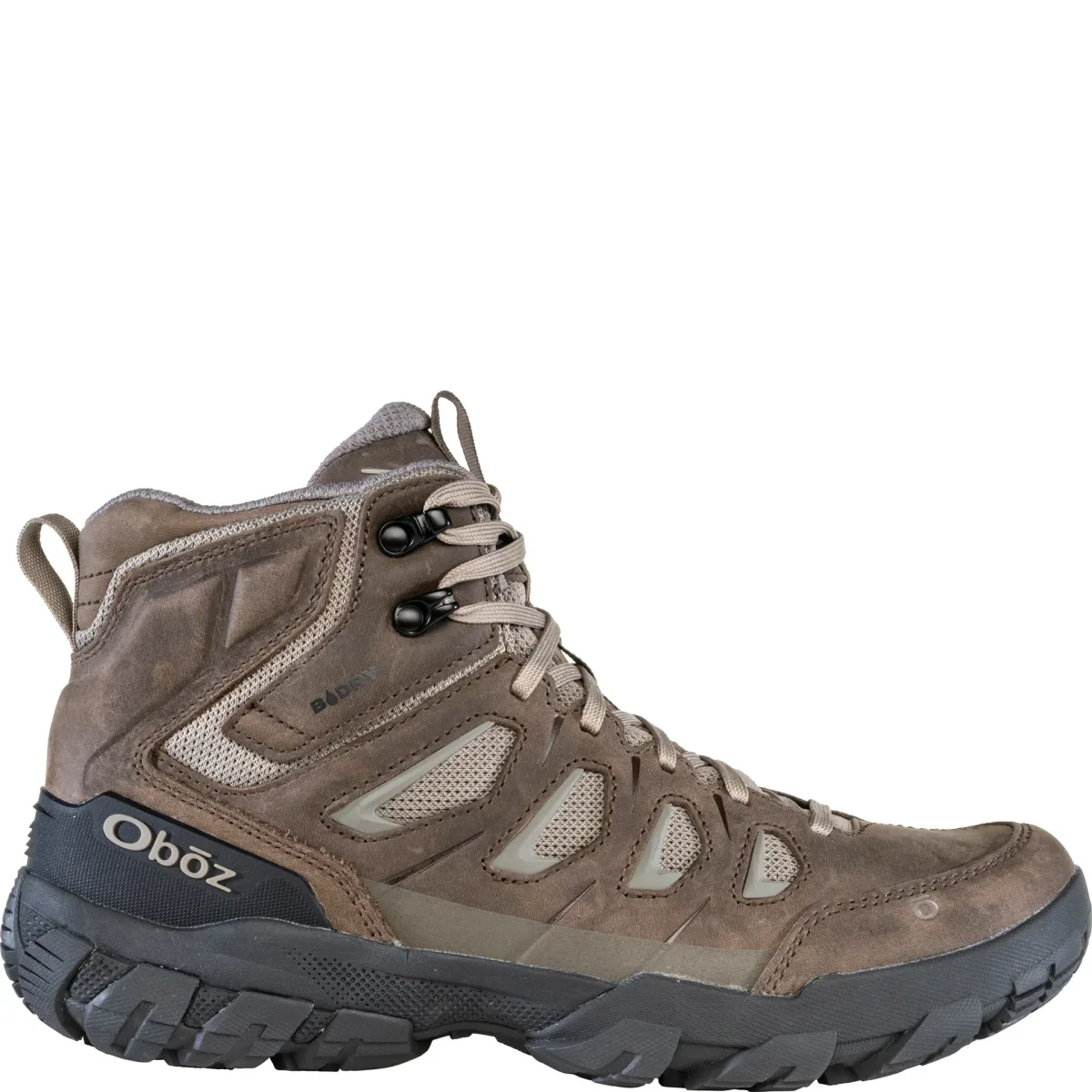
REI scored it 92 out of 100, and it's one of the few boots in this roundup rated for both hiking and backpacking by REI's criteria. A solid midweight option for hikers who want a brand outside the Salomon/HOKA/Merrell mainstream and prefer Oboz's fit profile.
Gore-Tex vs. Proprietary Membranes: Which Waterproofing Technology Do You Need?
Most premium boots in this roundup use Gore-Tex (GTX) membranes — the industry benchmark for waterproof-breathable performance. Gore-Tex keeps water out while allowing moisture vapor from your foot to escape, reducing the "hot, clammy" feeling that non-breathable waterproofing creates. The Salomon Quest 5, X Ultra 5, HOKA Kaha 3, and Lowa Renegade Evo all use Gore-Tex.
Proprietary membranes — used by Merrell and KEEN in their non-GTX models — have improved substantially and offer genuine waterproofing at lower price points. The trade-off is typically breathability over sustained exertion. Gore-Tex Surround (used in La Sportiva's Nucleo High II GTX, per hikingfeet.com) manages moisture more effectively over long, high-output miles.
The practical decision:
- Day hikes in light-to-moderate rain: a quality proprietary membrane works well and costs less
- Multi-day trips where boots stay wet for extended periods: Gore-Tex's breathability advantage becomes meaningful
- High-output hiking with heavy sweating: Gore-Tex manages accumulated foot moisture better over full days
How to Choose the Right Hiking Boot in 2026: A Decision Framework
Step 1: What's your pack weight? Under 25 lbs → lightweight category. 25–40 lbs → midweight. 40 lbs+ → heavyweight.
Step 2: What's your terrain? Maintained trails → any category will work. Mixed terrain and rocky paths → add lateral support (mid-cut). Off-trail scrambling → heavyweight with stiff midsole.
Step 3: What's your priority? Speed and agility → X Ultra 5 Mid GTX. Long-distance comfort → HOKA Kaha 3 GTX. Load-bearing support → Quest 5 GTX. Budget efficiency → Merrell Moab 3.
Step 4: Do you have foot-width considerations? Narrow-to-medium feet: Salomon's last works well. Wide feet: KEEN's toe box is a meaningful advantage.
This framework eliminates the wrong boot faster than any "ranked list from 1 to 10" approach. The best boot is the one that matches your specific use case — and that match matters more than brand prestige.
For hikers who also pursue other outdoor sports, our guides on rock climbing gear and kayaking & paddleboarding equipment apply the same consensus-sourcing methodology to their categories. If you're comparing outdoor retail options, our REI review for 2026 breaks down whether the co-op membership is worth it for gear buyers at this price point.
Frequently Asked Questions
Do I need a mid-cut or low-cut hiking boot?
Mid-cut boots (ankle height) provide more lateral ankle support and protection from debris — better for uneven terrain, off-trail travel, and heavy packs. Low-cut boots (trail shoe height) are faster and more flexible, suited for well-maintained trails with light loads. If you have a history of ankle sprains or plan to carry more than 30 lbs, mid-cut is the safer default.
Is Gore-Tex worth the extra cost over a proprietary waterproof membrane?
For occasional hikers doing day hikes in light rain, a quality proprietary membrane like Merrell's performs well at lower cost. For multi-day backpacking in sustained wet conditions, Gore-Tex's combination of waterproofing and breathability justifies the premium. The Merrell Moab 3 Mid Waterproof at ~$130 is a reasonable middle ground — effective waterproofing without the Gore-Tex price tag.
What break-in period should I expect for hiking boots?
Heavier leather boots like the Lowa Renegade Evo GTX typically require a meaningful break-in period — plan for several shorter hikes before a long trip. Lightweight boots like the Salomon X Ultra 5 Mid GTX generally require minimal break-in due to their flexible construction. Don't plan a 20-mile trip as your first outing in new stiff leather boots.
Which 2026 hiking boot is best for wide feet?
KEEN's wide toe box is the most commonly cited fit advantage for hikers with wider feet who find Salomon's narrower last uncomfortable. The KEEN Hightrail Mid Waterproof (REI: 93/100) is the most recommended KEEN option in 2026's testing landscape. Merrell's Moab 3 also offers a slightly wider fit profile than Salomon.
Are waterproof hiking boots necessary, or can I use trail runners?
Trail runners work well for dry conditions on well-maintained trails. Waterproof hiking boots become necessary when you regularly cross streams, hike in wet climates, or need the added ankle support of a mid-cut design. For hikers considering trail runners as a lightweight alternative, our Best Camping & Hiking Gear 2026 guide covers footwear trade-offs in the full context of a hiking kit.
How long do quality hiking boots typically last?
Well-maintained Gore-Tex boots from brands like Lowa, Salomon, and HOKA typically last 500–1,000 miles of trail use before midsole compression or outsole wear becomes significant. Budget boots like the Merrell Moab 3 may show more wear in the 300–500 mile range under heavy use. Rotating between two pairs extends the lifespan of both.
The Bottom Line: Which Boot Is Right for You?
There's no single best hiking boot — there's the right boot for your weight class, terrain, and budget. Here's the 2026 consensus in plain terms:
- You're a backpacker who carries real weight: Salomon Quest 5 GTX
- You want the most versatile lightweight boot money can buy: Salomon X Ultra 5 Mid GTX
- Your joints take a beating and you need cushioning: HOKA Kaha 3 GTX
- You're budget-conscious or building your first kit: Merrell Moab 3 Mid Waterproof
- You have wide feet: KEEN Hightrail Mid Waterproof
- You want fit precision and long-term durability: Lowa Renegade Evo GTX Mid
- You want trail-to-town versatility: On Cloudrock Mid Waterproof
The three boots with the broadest cross-source consensus in 2026 — the Quest 5 GTX, X Ultra 5 Mid GTX, and HOKA Kaha 3 GTX — represent three genuinely different design philosophies for three genuinely different types of hikers. Pick the one that fits how you actually hike, not how the marketing copy describes you.
This article was researched and drafted with AI assistance, then reviewed and fact-checked by our editorial team before publishing. Grounded Pick may earn a commission from purchases made through links on this page. Our editorial recommendations are finalized before any affiliate link is applied. Read our full disclosure → | How we review →
Discussion
No comments yet. Be the first to share your thoughts.