
This guide is based on manufacturer sources, party trend research, and verified consumer data aggregated from multiple industry reports. We may earn a commission when you use our links to make a purchase.
What Does the Research Actually Say About Kids' Party Satisfaction?
Before you spend $200 on a balloon arch and character backdrop, here's what a major 2026 study found about what kids actually want at their birthday parties.
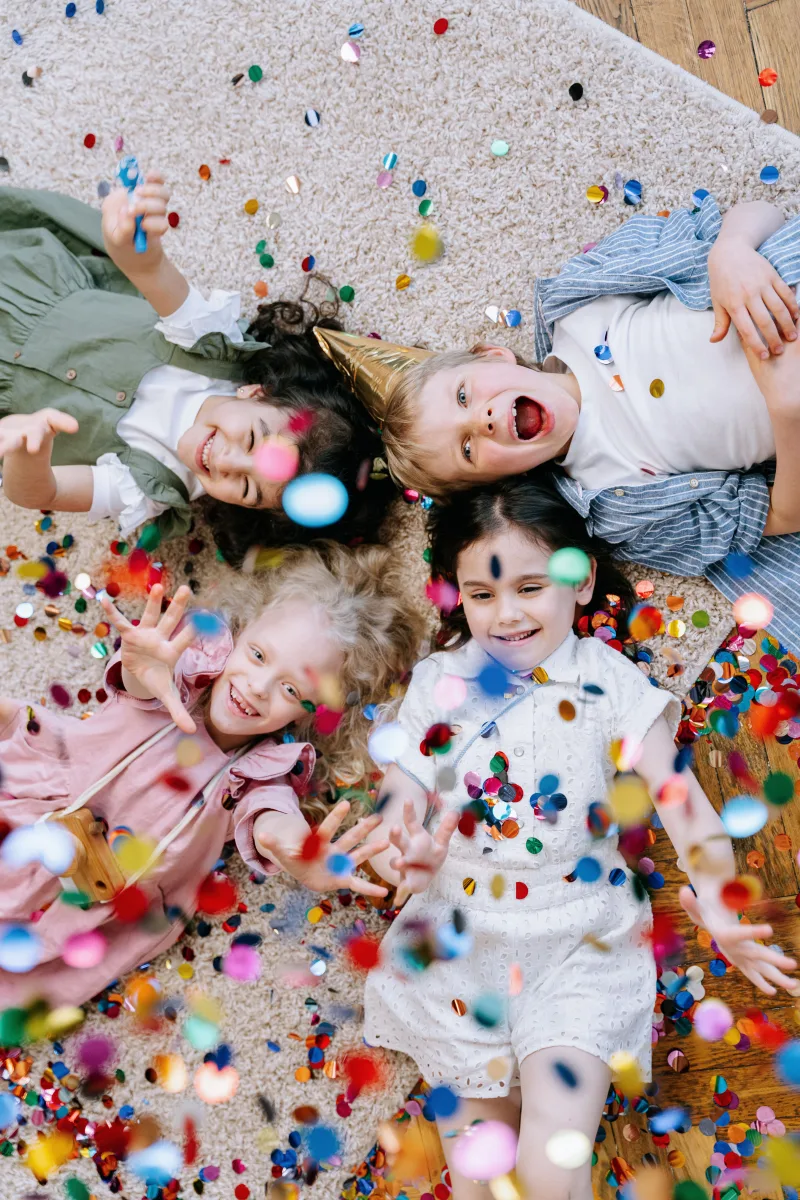
The Chuck E. Cheese Birthday Celebration Study 2026 surveyed parents and children to identify what drives the highest satisfaction ratings. The answer was unambiguous: parties with more games and structured activities consistently scored higher than parties with more elaborate decorations.
The breakdown by gender is striking. Among mothers of boys, 37% said more games and activities would be the single biggest party improvement — the highest figure of any segment in the study. Among mothers of girls, that figure was 26%. Still the top factor, even for the demographic most associated with theme-based celebrations.
What this means practically: if you're choosing between a second balloon arrangement and a craft station, the craft station wins. Every time.
That said, decorations aren't meaningless. They create atmosphere, give kids a visual identity for the party, and make for better photos. The mistake is treating them as the foundation rather than the finishing layer.
When you're also evaluating party products for safety — especially for younger children — our Baby & Kids Product Reviews and Safety Guides 2026 covers material safety standards and age-appropriateness criteria worth reviewing before you purchase.
The Biggest Kids' Party Trends for 2026 (and What's Already Fading)
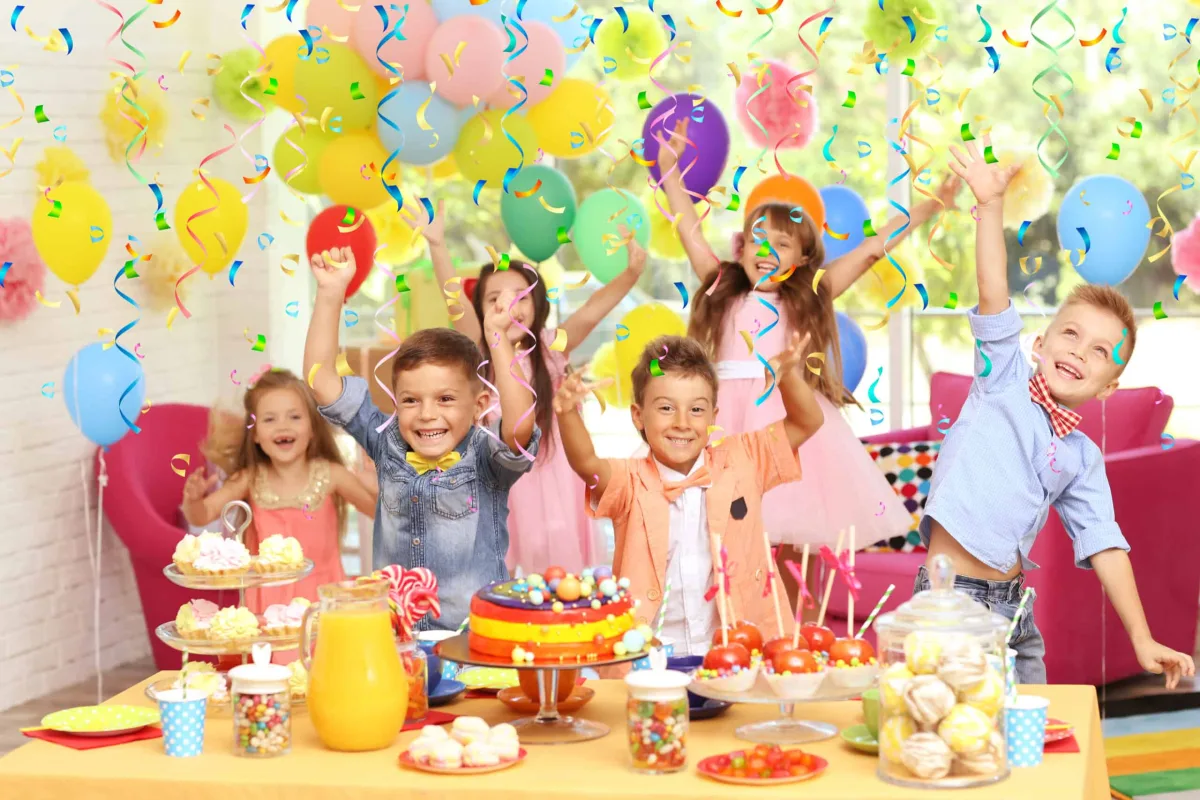
Party aesthetics shift faster than most parents expect. Here's what's actually trending this year — and what's quietly becoming dated.
What's In
Tighter, more intentional themes. According to Party Baby Essentials, the generic "rainbow everything" approach is giving way to cohesive, specific palettes. Rainbow remains strong as its own dedicated theme, but scattering rainbow colors across an unrelated theme — say, a dinosaur party with rainbow napkins — reads as dated in 2026.
Atmosphere over character branding. A well-styled balloon arch now carries more visual weight than a foam board character cutout, per Party Baby Essentials. Parents are moving toward immersive environments — a balloon arch in teal and gold works for an under-the-sea theme, a princess theme, or a general celebration. A specific character backdrop has exactly one use.
Backyard festivals and circus themes. Meri Meri reports these are surging in 2026, with Pinterest showing a 150%+ increase in searches for circus interior. The appeal is flexibility — bunting, lanterns, a face-painting tent, and a dress-up corner work for almost any age group.
Bows as a decor accent. The Bash highlights bows appearing on backdrops, table settings, and party accessories as a polished but playful touch — particularly popular for girls' parties ages 4–8.
Pop-culture-driven themes. The Wicked franchise is carrying strong momentum into 2026 party season, cited by multiple event planners as a top theme for children interested in performance and musical theater.
Digital invitations as the default. Party Baby Essentials notes that printed invitations are now an intentional, keepsake-quality choice — not the assumed standard. Digital is the starting point; physical is the upgrade.
Fruit themes. Bonjour Fête identifies cherry, strawberry, and lemon themes as a rising category. Bright, graphic, not tied to a media franchise — they have longer visual relevance than licensed themes.
What's Fading
- Scattered rainbow colors on non-rainbow themes
- Foam board character backdrops and oversized licensed cutouts
- Printed invitations as the default (still great as an upgrade, just not assumed)
- Generic loot bags filled with plastic novelty items
Top Kids' Party Themes for 2026: Matched by Age and Interest
The best theme isn't the most popular one — it's the one that fits your child's actual obsession and gives you workable activity options. Here's a practical breakdown.
Space Explorer / Astronaut Academy (Ages 5–7)
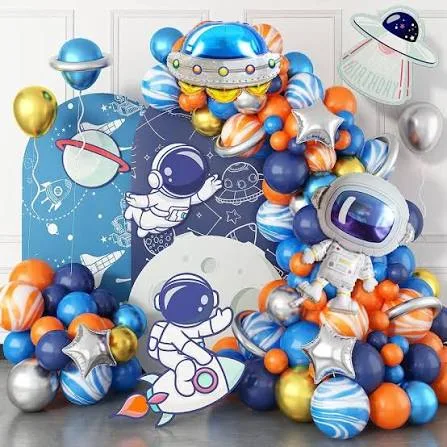
Ranked in the top five trending themes by Kids Hideout, this works especially well for children who enjoy hands-on challenges. Core decor: silvery garlands, cosmic balloons, dark backdrops, and glow elements. The expert tip from Kids Hideout is to pair astronaut decor with LED stars and neon accents for dramatic photos. Echoage recommends adding a glow-in-the-dark dance section with black lights and neon paint for ages 6+.
Best for: Kids who like building, problem-solving, or science.
Mini Chef and Cooking Party (Ages 4–7)
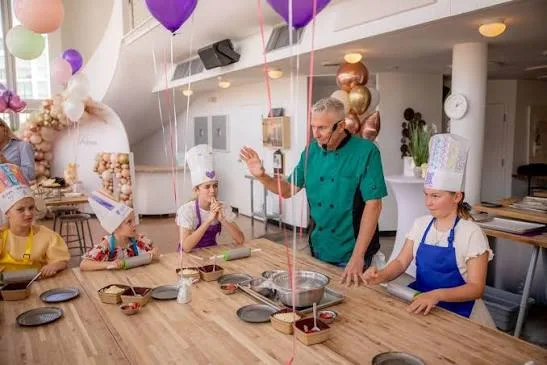
Kids Hideout describes this as having "exploded in popularity" in 2026. Kids wear chef hats, decorate cupcakes, and run a pretend restaurant. The theme ties directly into pretend play — developmentally rich for this age group — and produces an edible take-home item that doubles as a party favor. No expensive licensed merchandise required.
Best for: Kids who love helping in the kitchen or imaginative role-play.
Under the Sea / Mermaid (Ages 3–7, especially girls)
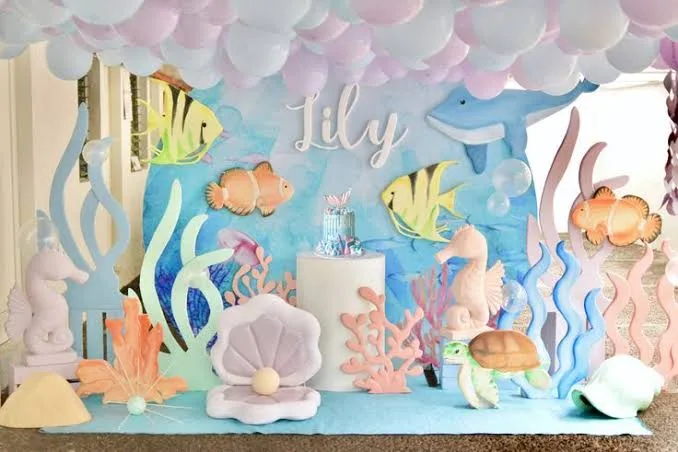
Party Baby Essentials identifies teal, navy, and iridescent as a strong aesthetic palette for girls in this range. Echoage recommends "ocean water" drinks, sea-inspired cake designs, and craft stations where kids create sea creature masks from paper plates and craft foam. Shell garlands and iridescent balloons complete the look without requiring expensive licensed merchandise.
Best for: Kids who love animals, water, or fantasy.
Race Car and Sports (Ages 3–7, especially boys)
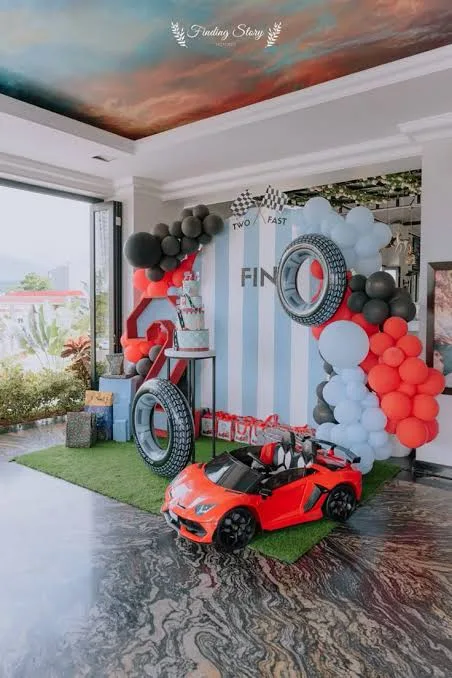
Party Baby Essentials describes this as fast-growing for boys in this age range. Checkered flag print, bold primary colors, and simple racing games form the visual and activity core. Easy to execute with widely available tableware; minimal custom decoration required.
Best for: Active kids who love movement and competition.
Creative Art Studio (Ages 4–8)
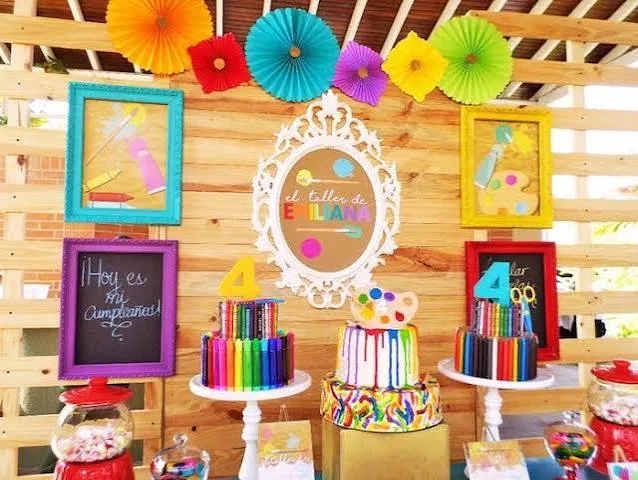
This theme gives parents a natural activity structure: open canvas painting, a collaborative mural, and take-home artwork all serve as both entertainment and decoration. Supply costs are low if you already own basic art materials.
If you're building a longer-term creative kit for your child beyond the party, our guide to educational and STEM toys for kids in 2026 includes art and craft tools by age group.
Best for: Kids who enjoy making things and working with their hands.
Backyard Festival / Circus (Ages 3–10)
Meri Meri's trend coverage emphasizes the flexibility here. A mini music stage, face-painting tent, dress-up corner, and string of garlands and lanterns create a festival atmosphere without requiring a specific licensed theme. Particularly effective for mixed-age groups where younger and older siblings are both attending.
Best for: Larger groups, mixed ages, backyard settings.
Superhero Party (Ages 4–9)
A perennial top performer that continues to rank strongly in 2026. Works especially well when you let kids design their own superhero identity — a craft station where kids make capes or masks adds both activity and costume element.
Best for: Kids who love action, adventure, and imaginative play.
Essential Party Supplies Checklist: What You Need vs. What to Skip
The party supply industry is structured to sell you more than you need. According to Fortune Business Insights, decorations are the second-highest demand category in the party supplies market after food and beverages, and birthdays represent the leading occasion at 44.63% of global market share in 2026. Here's an honest breakdown by category.
Tableware (plates, cups, napkins): Yes, buy these. Choose bamboo, palm leaf, or moulded sugarcane options — now widely available and comparable in price to standard disposable sets. Avoid single-use plastic where possible.
Balloons: One strong arrangement. One balloon arch or a cluster delivers more visual impact than balloons scattered throughout the space. Foil balloons in theme colors last longer and can be reused for future parties. Avoid latex if any guests have allergies.
Banner or backdrop: One focal point is enough. Fabric bunting is reusable across multiple parties. PartyWizz cites fabric bunting as one of the top eco-friendly decor choices for 2026 — and it stores flat, so it's easy to reuse.
Activity supplies: Prioritize these above everything. Craft kits, game materials, and dress-up props deliver more value per dollar than any decorative item. Budget here first.
Invitations: Digital is fine; physical is the premium option. If you want a physical invitation, wildflower seed paper invitations serve as both an invitation and a living keepsake. Guests can plant them after the party.
Character merchandise and foam backdrops: Commonly over-purchased. A single character-themed element — a cake topper, a banner — is sufficient. Full character merchandise sets add cost without proportional impact on children's enjoyment, and foam character backdrops are fading as a trend.
PartyWizz's reusable decor list worth bookmarking: fabric bunting, paper rosettes, wooden cake toppers, natural fibre table runners. All store flat and reuse across multiple parties, making the per-party cost lower over time.
Eco-Friendly Party Decorations: Sustainable Options That Still Look Great
Low-waste party planning has moved from niche preference to mainstream expectation. PartyWizz's 2026 guide frames it clearly: a party where all decor is repurposed, borrowed, or rented is not just better for the environment — it's also less expensive over time. These two motivations together are driving real change.
The core principle: if every item you bring in can be reused, composted, or passed on, you leave a minimal footprint and spend less per party.
Reusable decor options:
- Fabric bunting (stores flat, reuses across multiple parties)
- Paper rosettes
- Wooden cake toppers
- Natural fibre table runners
Biodegradable tableware: Bamboo plates, palm leaf bowls, and moulded sugarcane cups are commercially available at price points comparable to mid-range disposable options. Alternatively, use tableware you already own — PartyWizz specifically includes this as a valid eco choice.
Plantable invitations: Seed paper invitations embedded with wildflower seeds function as both invitation and keepsake. Guests plant them and grow flowers — a zero-waste alternative to standard paper.
Eco-craft stations: Rock painting, leaf and flower crafts, and wooden puzzle assembly use natural or sustainably sourced materials. These stations function as both activity and decoration — a row of painted rocks on the craft table becomes part of the visual setup.
One underused strategy: borrow or rent large decor items. Arches, lanterns, and backdrop frames can often be rented from local party supply companies, eliminating storage and disposal entirely. For parents who host annual parties, this is often the most economical long-term approach.
Activity Stations: The Highest-Impact Investment for Any Kids' Party
The Chuck E. Cheese 2026 study is unambiguous — the highest-rated parties kept kids moving, laughing, and playing together. Activity stations are the most direct way to achieve that. They also solve the most common party logistics problem: the gap between arrival and cake. A station gives children something to do the moment they walk in.
Here are specific activity station formats matched to the top 2026 themes:
Space Explorer Theme
Kids Hideout recommends reframing a standard obstacle course as a "zero gravity challenge" — crawl tunnels become space corridors, balance beams become moon walks. A rocket-building craft station (cardboard tubes, foil, stickers) produces a take-home item. For ages 6+, a glow-in-the-dark dance area with black lights and neon body paint is consistently cited as a highlight activity.
Mini Chef Theme
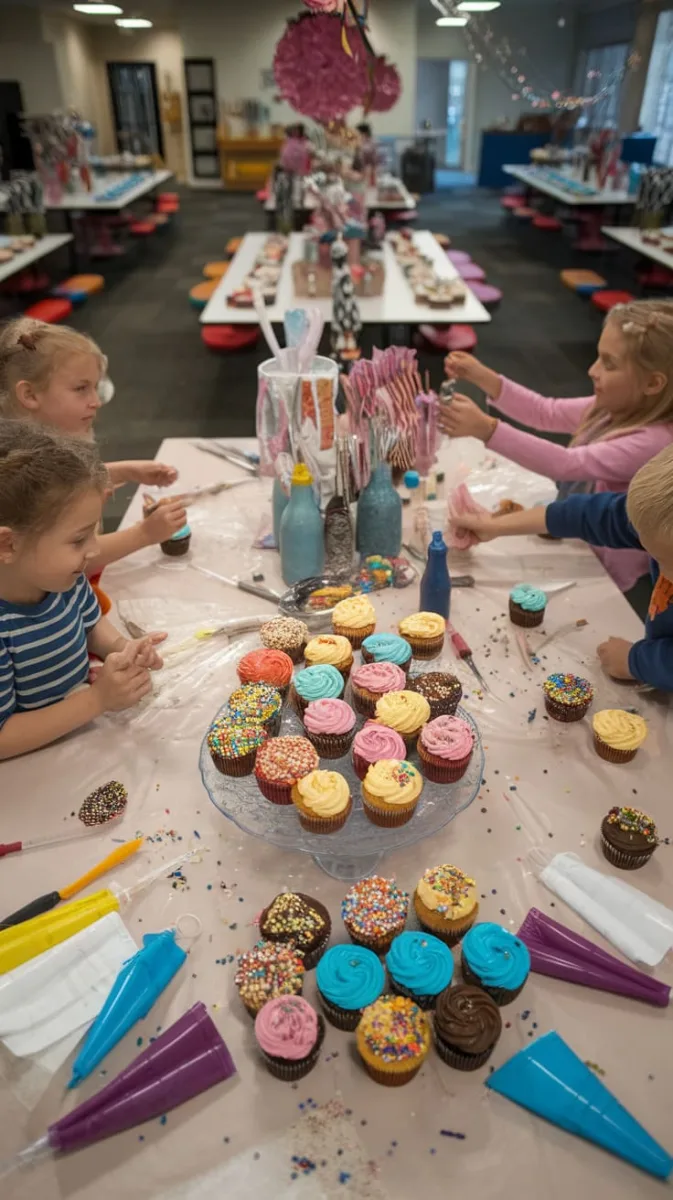
Set up a cupcake decorating station with pre-baked cupcakes, frosting in piping bags, and a selection of toppings. A mini pizza station with pre-made dough rounds, sauce, and toppings works equally well. Toy kitchen and market props make the theme feel immersive without requiring an elaborate setup.
Under the Sea Theme
Echoage recommends a craft station where kids create sea creature masks using paper plates, paint, and craft foam — the masks serve as both activity and take-home favor. A "marine biologist" station with magnifying glasses and printed sea creature identification cards adds an educational layer that works well for ages 5+.
Backyard Festival / Circus Theme
Meri Meri's coverage of this theme describes three self-contained stations that kids can rotate through at their own pace: a mini music stage with toy instruments or karaoke setup, a face-painting tent, and a dress-up corner with costume accessories. Low supervision demand on parents; high engagement for kids.
Art Studio Theme
An open canvas painting station, a collaborative mural on craft paper taped to a fence or wall, and a printmaking station using sponges and stamps all work within this theme. The collaborative mural is particularly effective because it becomes a group artifact — kids sign it, it gets photographed, and it's a genuine party keepsake.
Party Favor Ideas That Kids Will Actually Keep
The standard party favor bag — plastic novelty items, stickers, candy — has a well-documented fate: opened in the car, mostly in the bin by the next morning. The 2026 trend is a clear correction toward single, meaningful keepsakes over quantity-based bags.
PartyWizz frames this shift directly: party favors are moving toward keepsakes rather than clutter. Echoage reinforces the point from a budget angle — favors don't have to be expensive; they just need to feel intentional.
PartyWizz's top party favor picks for 2026:
- Mini tote bags personalized with the child's name
- Plantable seed packets
- Make-your-own craft kits (slime, bath bombs)
- Personalized water bottles
- Wooden puzzles or small games
- Eco crayons or beeswax crayons
- Bath bomb or slime-making kits
The most elegant favor solution: let the activity be the favor. A sea creature mask made at the craft station, a rocket built during the space party, a cupcake decorated at the Mini Chef station — each is already made, already loved, and costs nothing extra because it was part of the activity budget. The child leaves with something they created, which has more emotional value than anything purchased in bulk.
Personalization adds perceived value without adding much cost. A plain mini tote bag with a child's name written in fabric marker costs almost nothing but feels specific and intentional. Wooden puzzles and small games outlast plastic novelty items by years — parents are far less likely to discard them.
How to Dress Kids for the Party (Without Overspending)
One often-overlooked element of themed parties is what the kids actually wear. A few costume accessories can dramatically elevate the theme experience without requiring full costumes.
For themed costume pieces and everyday kids' fashion, our guide to the best kids' clothing brands in 2026 covers durable, affordable options across age groups — useful both for party outfits and everyday wear.
For younger guests who might be attending a sibling's party, comfortable clothing matters more than themed outfits. Our review of the best baby clothing brands in 2026 covers soft, safe options that hold up through active play.
Frequently Asked Questions
How much should I budget for a kids' birthday party in 2026?
Budget varies significantly by guest count, venue, and activity choices. The most useful reframe: allocate proportionally. Activities and food first, decorations second. A party with strong activity stations and simple tableware will consistently outperform a heavily decorated party with little to do. Reusable decor items reduce per-party spending over time — fabric bunting and wooden cake toppers pay for themselves after two or three parties.
What are the most popular kids' party themes for 2026?
Based on multiple trend sources including Party Baby Essentials, Meri Meri, Kids Hideout, Echoage, and The Bash, the strongest themes for 2026 are: Space Explorer, Mini Chef, Under the Sea/Mermaid, Race Car and Sports, Creative Art Studio, Backyard Festival/Circus, and Superhero. Fruit themes (cherry, strawberry, lemon) are a rising category. Wicked-inspired themes are carrying strong momentum for children with an interest in performance.
Are eco-friendly party supplies actually comparable in quality to standard options?
Bamboo and palm leaf tableware has improved substantially in quality and is now widely available at price points comparable to mid-range disposable plastic. The main practical difference is lower liquid resistance in some biodegradable plates — relevant if you're serving saucy foods. For most standard party food, they perform well. Fabric bunting and wooden decor items are generally higher quality than single-use equivalents and last for years with basic storage.
What party favors do kids actually keep?
According to PartyWizz's 2026 trend analysis, the favors with the longest shelf life are personalized items (tote bags, water bottles), experience kits (slime-making, bath bomb kits), wooden puzzles, and eco crayons. Items made during the party itself — crafts, decorated cupcakes, built models — have the highest emotional retention because the child already has a connection to them before they leave.
Should I send digital or printed invitations in 2026?
Digital is the default format in 2026, per Party Baby Essentials. Printed invitations are now an intentional choice made for keepsake quality. Wildflower seed paper invitations are a popular option for families who want a physical version — they function as both invitation and a living keepsake that guests can plant after the party.
How do I choose between a highly themed party and a simpler setup?
The Chuck E. Cheese 2026 study suggests the theme itself matters less than the quality and quantity of activities. A simpler setup with strong activity stations will outperform an elaborate themed setup with little to do. Choose a theme your child is genuinely excited about, then build activities around it — the theme becomes the frame, not the substance.
At what age do kids start caring about party themes?
Most child development guidance suggests theme preferences become meaningful around ages 3–4, when children can articulate their interests and recognize characters and concepts. Before age 3, atmosphere (colors, balloons, people they love) matters more than any specific theme. For the under-3 set, the best nursery and kids' room furniture for 2026 covers safe, age-appropriate environments for younger children.
Final Decision Framework: How to Plan a Party Kids Will Actually Remember
Use this priority sequence when planning and budgeting:
Step 1: Lock in the activities first. Decide on two or three activity stations before spending anything on decorations. Match them to your child's actual interests, not just the theme aesthetic. Budget for activity supplies before decorative supplies.
Step 2: Choose a theme that enables activities, not just visuals. Space Explorer, Mini Chef, Under the Sea, Art Studio, and Backyard Festival all have natural activity structures built in. A theme that only works as a visual backdrop delivers less value per dollar.
Step 3: Invest in one strong decorative focal point. A balloon arch or fabric bunting backdrop is enough. Reusable options pay for themselves over multiple parties. Skip foam character backdrops and oversized cutouts — they've faded as a trend and add limited value to the actual experience.
Step 4: Plan the favor from the activity, not the catalog. If you have a craft station, the craft is the favor. If you have a cupcake decorating station, the cupcake is the favor. This approach costs no extra money and delivers higher emotional value than any bulk-purchased novelty item.
Step 5: Go digital on invitations; upgrade to seed paper if you want something physical. Save the printed budget for something that makes the party better — more activity supplies, a better cake, a reusable decor piece.
This article was researched and drafted with AI assistance, then reviewed and fact-checked by our editorial team before publishing. We may earn a commission from purchases made through links on this page — this does not influence our recommendations, which are finalized before any affiliate link is applied. Read our full methodology · Affiliate disclosure
Discussion
No comments yet. Be the first to share your thoughts.