
Researched and drafted with AI assistance; reviewed and fact-checked by our editorial team before publishing. Grounded Pick may earn a commission when you purchase through links on this page — commissions are applied after editorial decisions are made. Full disclosure →
TL;DR — What You Actually Need to Know
- Beginners: Start with semi-cured strips (Ohora) or a beginner liquid gel kit (Olive & June). Skip professional brands until your technique is solid.
- Best wear time: A well-applied liquid gel system lasts 2–3 weeks. Semi-cured strips average 1–2 weeks. Peel-off hybrids last 5–7 days.
- Nail health first: Look for HEMA-free formulas if you have sensitive skin. Always use a minimum 36W dual UV/LED lamp.
- Cost math: Liquid gel systems cost more upfront but become cheaper per manicure after 3–4 months versus strips.
- Format mismatch is the #1 reason home gel manicures fail — not the products themselves.
Your gel manicure chips three days after leaving the salon. Or you already own a UV lamp and a collection of gel polishes, but your results still don't look like the brand's Instagram photos.
The problem usually isn't the product. It's the format decision that came before the product.
This guide compares the three dominant at-home gel formats head-to-head — liquid gel systems, semi-cured strips, and peel-off hybrids — with the formula science and real market data you need to make the right call. We also cover which specific products are worth your money in 2026, and exactly why.
Which At-Home Gel Format Is Right for You?
Before comparing products, you need to understand which format fits your situation. Choosing the wrong one is the single most common reason home gel manicures fail.
Liquid Gel Polish Systems
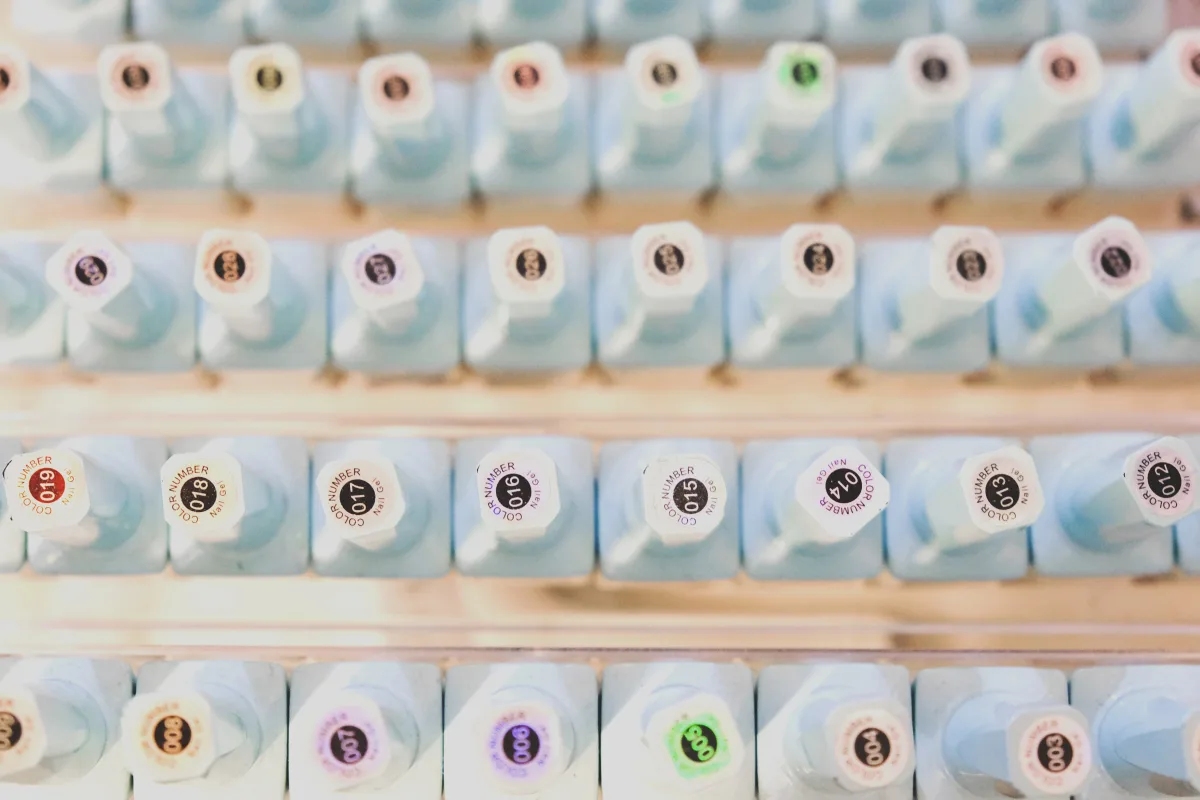
Liquid gel systems are the closest equivalent to what a nail salon uses. You apply a base coat, one or two color coats, and a top coat — curing each layer under a UV or LED lamp. Done correctly, the process takes 30–45 minutes. Results, when applied well, are genuinely salon-equivalent: high gloss, strong adhesion, and wear times of two to three weeks on well-prepped nails.
The tradeoff is the learning curve. Flooding cuticles, applying coats too thick, and under-curing are all common beginner errors that cause lifting or peeling within days. Olive & June's Gel Mani System Set is the most recommended beginner-friendly version of this format, cited as "Best Overall" by Elle's 2026 at-home gel manicure kits roundup for its approachable system design and wide retail availability.
Best for: People willing to spend time learning proper technique who want the longest-lasting results and the lowest ongoing cost per manicure.
Semi-Cured Gel Strips
Semi-cured strips are pre-partially-cured gel in sticker form. You peel, apply, trim to fit, and cure briefly under a lamp to harden the finish. No brush technique, no risk of cuticle flooding, no streaking.
According to TechSci Research's at-home gel nail kits market report, this technology is "fundamentally altering the entry barrier for long-wear manicures." Ohora USA reported selling over 10 million units of their semi-cured gel strips since 2019 as of January 2026 — making Ohora the market-leading brand in this format. Wear time averages one to two weeks, slightly shorter than a well-applied liquid gel system but far more consistent for beginners.
Best for: Beginners who want reliable results fast, or anyone who changes nail colors frequently and doesn't want to master brush technique.
Peel-Off Hybrid Gels
Peel-off hybrids use a gel-like formula that cures under a lamp but is engineered for acetone-free removal — you simply peel them off. They sit between strips and full liquid systems in terms of skill required. Wear time is shorter (typically five to seven days), but removal is the fastest and least damaging of the three formats.
Best for: People who swap nail looks frequently and want to avoid acetone soaking entirely.
Format Comparison at a Glance
| Format | Skill Level | Avg. Wear Time | Lamp Required | Removal Method | Approx. Starter Cost |
|---|---|---|---|---|---|
| Liquid Gel System | Intermediate | 2–3 weeks | Yes | Acetone soak (10–15 min) | $40–$80 |
| Semi-Cured Strips | Beginner | 1–2 weeks | Yes (brief) | Peel or acetone soak | $12–$20/set |
| Peel-Off Hybrid | Beginner–Intermediate | 5–7 days | Yes | Peel off | $25–$50 |
Cost-per-use reality check: Liquid gel systems have a higher upfront cost, but once you own the lamp and base/top coats, each manicure costs only the color gel — often $8–15 per application. Semi-cured strips carry a lower entry cost but a higher ongoing cost since each application requires a new pack ($12–20). If you do your nails more than twice a month, a liquid gel system typically pays for itself within 3–4 months.
Why the At-Home Gel Market Exploded — and What That Means for Shoppers
Understanding why this category grew so fast helps you navigate it smarter. There are now hundreds of products at every price point, and quality varies dramatically across that range.
The global nail care products market is estimated at USD 23.5 billion, according to GM Insights' Nail Care Products Market Size & Share 2026–2035 report. That scale means serious R&D investment — formulas, lamp technology, and packaging have all improved substantially in recent years.
Online sales now account for approximately 43% of UV nail gel distribution in 2026, driven by beauty e-commerce platforms expanding access to gel kits and color ranges, per Fact.MR's UV Nail Gel Market Global Analysis Report. Products that were previously salon-only are now a few clicks away, often at competitive prices.
Here's the catch: the market is highly fragmented. L'Oréal S.A. holds approximately 6% market share in nail care, with the top five players — including Shiseido, Unilever, Coty, and Estée Lauder — collectively holding only around 15%, per GM Insights. That fragmentation means specialist and direct-to-consumer brands can genuinely compete on quality and innovation. It also means more low-quality options flooding the market, particularly in the budget-friendly segment, which is growing fastest according to Data Bridge Market Research.
If you follow our broader beauty product reviews and buying guides for 2026, you'll recognize the pattern: more options, more fragmentation, more need for a clear decision framework before you open your cart.
What HEMA-Free, Methacrylate, and Soak-Off Actually Mean on a Label
Most nail care marketing uses chemistry terms without explaining them. Here's what actually matters when you're reading a product label.
Why Methacrylate Chemistry Dominates
Methacrylate-based gel systems hold nearly 46% of the UV nail gel market in 2026 due to their strong adhesion and reliable curing performance, according to Fact.MR. The chemistry works because methacrylate monomers cross-link under UV or LED light to form a hard, durable polymer network — that's what gives gel polish its chip resistance and gloss retention. No other chemistry currently matches it for adhesion-to-cure-speed ratio, which is why it remains dominant despite known sensitization concerns.
HEMA-Free: What It Means (and What It Doesn't)
HEMA (2-hydroxyethyl methacrylate) is a common sensitizer in gel formulas. Repeated skin exposure — particularly to uncured gel — can cause contact dermatitis or allergic reactions in some users. HEMA-free formulations have become a significant product differentiator in 2026, as noted in Hanyi Nails' Best Pro Gel Nail Polish Brands 2026 guide.
The important caveat: HEMA-free does not mean allergen-free. Other methacrylates can also cause sensitization. The most reliable protective measure — regardless of formula — is avoiding skin contact with any uncured gel. If uncured gel touches your skin during application, wipe it off immediately before curing.
This is also worth keeping in mind if you're building a broader skincare routine. The same principle — reading beyond the marketing claim to the actual ingredient mechanism — applies to products like retinols and peptides covered in our best anti-aging skincare products guide for 2026.
Soak-Off vs. Hard Gel
Soak-off gels dissolve in acetone within a defined time window, which matters for nail health because it eliminates the need for mechanical scraping. CND Shellac, the professional benchmark for removal safety, achieves full soak-off in 5–8 minutes, according to the Hanyi Nails industry guide. That speed prevents the mechanical damage that scraping causes on thin or damaged nail plates. Hard gels must be filed off entirely — more durable and better for extensions, but not appropriate for most at-home users on natural nails.
Smart Curing Technology in 2026
OPI GelColor's 2026 "Intelli-Gel" technology helps pigments self-correct during application, reducing streaks — a notable advancement for home users who struggle with even color distribution, per the Hanyi Nails 2026 industry ranking. This kind of formulation innovation is what separates professional-grade products from budget alternatives, even when the shelf price looks similar.
Top At-Home Gel Nail Kits in 2026 — Matched to Your Use Case
Rather than ranking these products against each other, the more useful approach is matching each one to a specific situation. The "best" kit depends entirely on where you're starting from.
Best for Beginners: Olive & June Gel Mani System Set
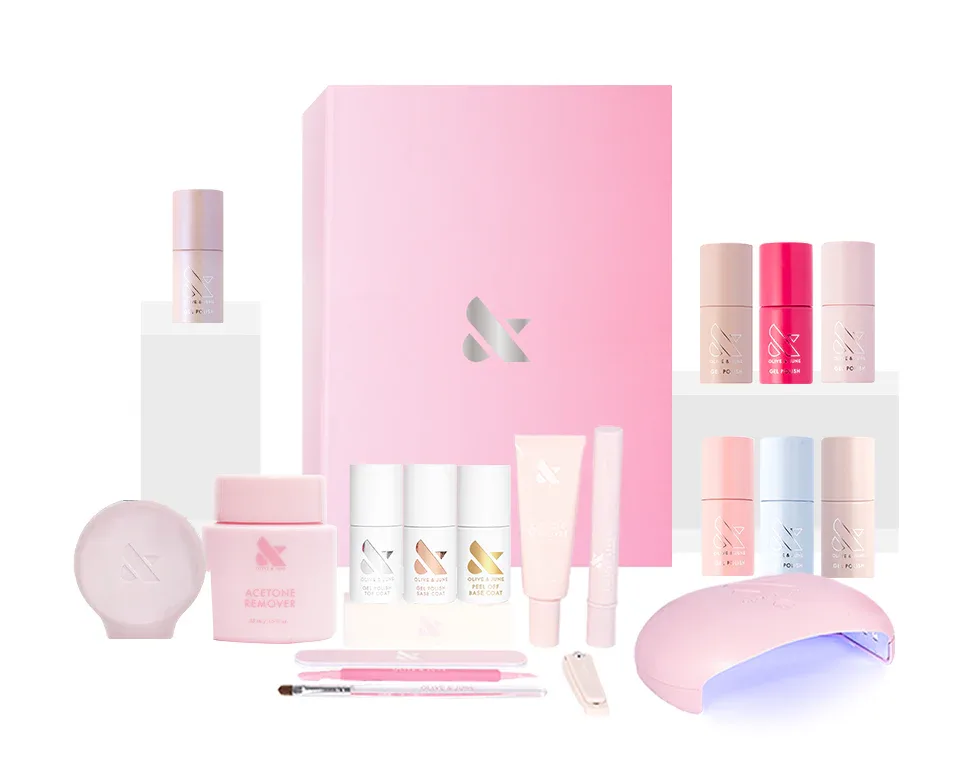
Olive & June's Gel Mani System Set is the most consistently recommended beginner liquid gel kit in 2026, cited as "Best Overall" by Elle for its approachable application system. The brand's polish bottles include an ergonomic cap designed to reduce application errors, and the system bundles base coat, color, and top coat with clear instructions. It's available at Walmart, Target, CVS, and Walgreens.
One real limitation: the color range is narrower than professional brands, and the lamp included in starter kits is functional but less powerful than standalone professional lamps.
Best for: First-time gel users who want guidance built into the product system.
Best for Nail Health and Easy Removal: CND Shellac
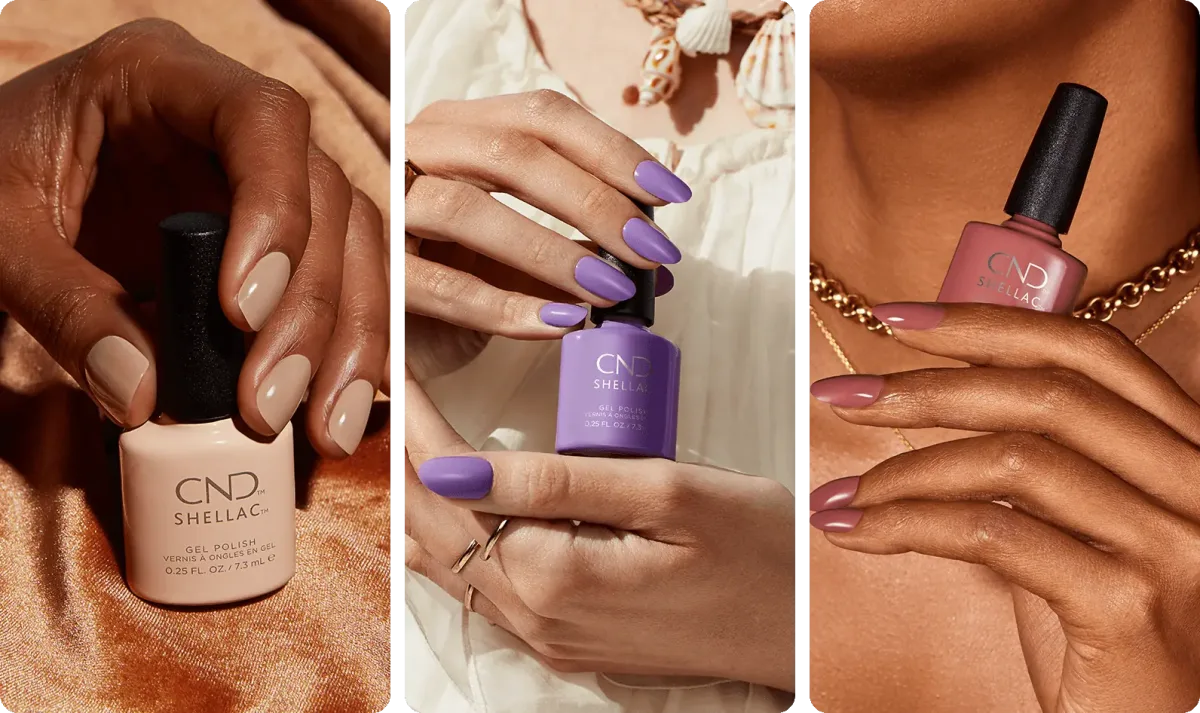
CND Shellac remains the professional standard for clients with thin, damaged, or sensitized nail plates. Its 5–8 minute soak-off time is the fastest in the professional category, which directly reduces mechanical stress during removal. If previous gel manicures left your nails thin, peeling, or white after removal, the issue was almost certainly improper removal technique — and CND Shellac's formula is specifically engineered to minimize that risk. Note: it's a professional product, so you'll purchase base coat, color, and top coat separately, and need a compatible lamp.
Best for: Intermediate users prioritizing nail health, especially those who've had damage from previous gel removals.
Best for Color Range and Upgrade-Ready Users: OPI GelColor
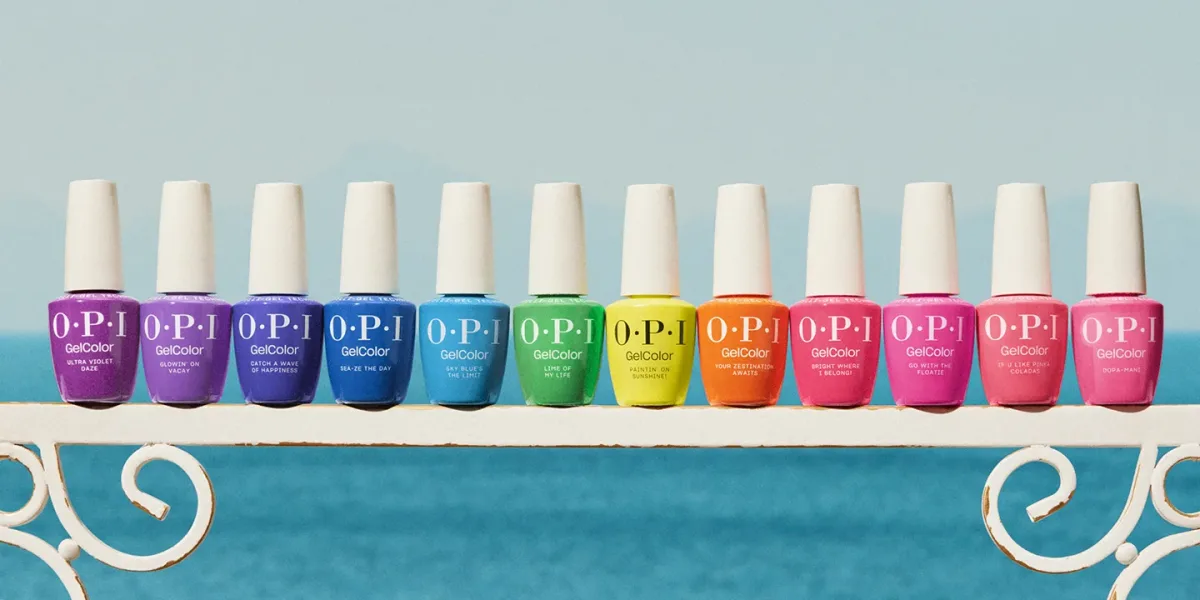
OPI GelColor retains the highest consumer brand awareness of any gel polish brand, per market data cited in the Hanyi Nails 2026 guide. Clients frequently request shades by name — "Lincoln Park After Dark" being a frequently cited example — which reflects the depth and cultural penetration of the color library. The 2026 Intelli-Gel formula upgrade makes it more forgiving for home application.
Best for: Experienced home users ready to upgrade from beginner kits who want salon-grade color selection.
Best for Zero-Skill Application: Ohora Semi-Cured Gel Strips
Ohora is the benchmark brand for semi-cured gel strips, with over 10 million units sold since 2019, per TechSci Research citing Ohora USA's official figures. The format eliminates the two most common beginner errors in liquid gel application — cuticle flooding and streaking — because you're applying a pre-shaped strip, not painting with a brush.
The tradeoffs: strip sizing doesn't match every nail shape perfectly, and the ongoing cost per manicure is higher than liquid gel systems over time. Allure's 2026 roundup of six at-home gel kits covers additional format options across different user profiles worth checking alongside this guide.
Best for: Total beginners, anyone with unsteady hands, or those who want a "done in 15 minutes" result.
What to Look for in a UV/LED Lamp
Whichever kit format you choose, the lamp matters as much as the gel itself. Key specs:
- Minimum 36 watts for reliable curing across most gel formulas
- Dual UV/LED compatibility so the lamp works with a wider range of products
- Timer settings (typically 30, 60, and 120 seconds) to match cure time to formula requirements
Under-curing — running the lamp for less time than the formula needs — is a leading cause of lifting and tacky finishes. It also leaves uncured methacrylate on the nail surface, increasing sensitization risk.
When Are Professional Gel Brands Worth the Money at Home?
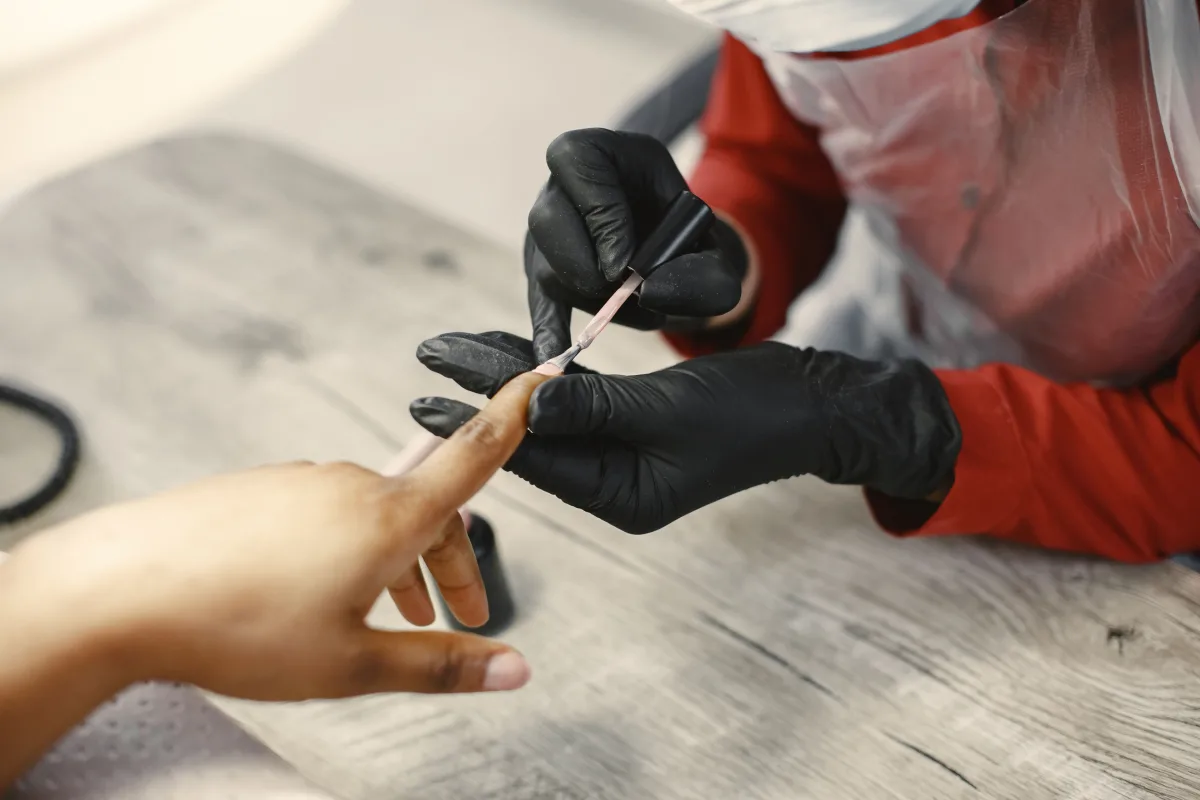
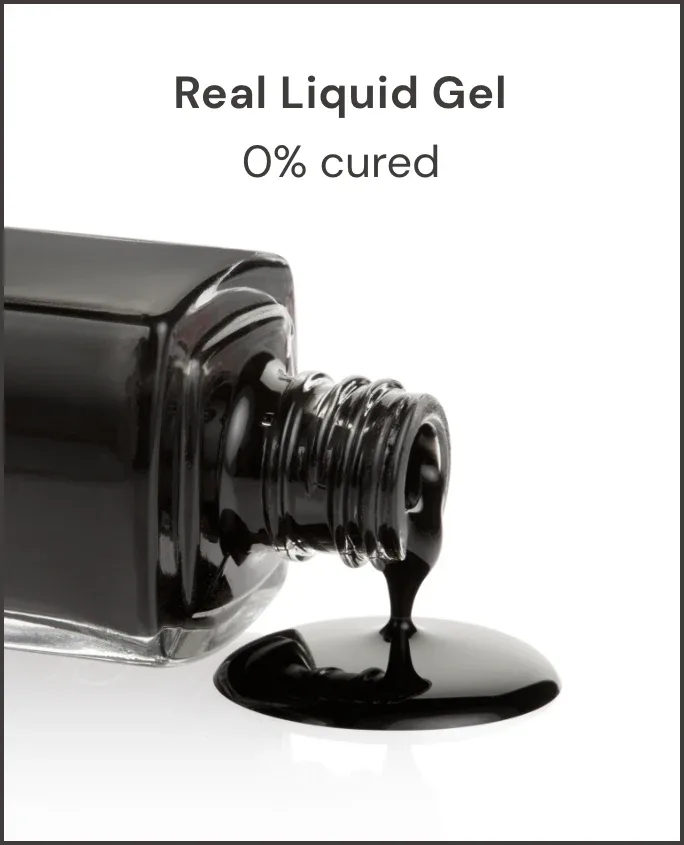
Professional gel brands are formulated for consistent performance across many applications per day. Their quality control standards are higher — but so are their prices and their complexity.
The GelBottle Inc (TGB) is identified as the top professional gel nail brand in 2026 by the Hanyi Nails industry ranking, known for high hardness and durability. For home users who have already mastered basic gel application and want maximum chip resistance, TGB is worth the investment. For beginners, it's overkill — the application requires more precision, and the higher hardness makes removal less forgiving if rushed.
Nail salons account for approximately 52% of UV gel end-user demand in 2026, with commercial use overall at approximately 61% of market share, per Fact.MR. That concentration reflects the fact that professional brands are optimized for high-volume, consistent use — conditions that don't match most home users.
The practical rule: If you've been doing at-home gel manicures for six months or more with consistently good results, upgrading to OPI GelColor or CND Shellac is likely to yield a noticeable improvement. If you're still troubleshooting lifting or uneven cure, the issue is technique — and no professional brand fixes a technique problem.
Gel polish leads the UV nail gel product type with approximately 39% market share in 2026, per Fact.MR, confirming it's the dominant format across both professional and home use. That dominance reflects its versatility on natural nails without extensions or forms.
How to Do a Gel Manicure at Home: The Steps That Prevent Most Failures
The most common reason at-home gel manicures fail isn't the product — it's skipped or rushed prep. Here's the process that prevents the most frequent failures:
1. Nail prep — the most skipped and most critical step. Push back cuticles. Lightly buff the nail surface with a fine-grit file to break the shine. Remove all oil and moisture with a lint-free wipe soaked in isopropyl alcohol or a dedicated nail cleanser. Any oil left on the nail surface will prevent adhesion. This takes five minutes and determines whether your manicure lasts one week or three.
2. Apply a thin base coat and cure fully. A thick base coat is the leading cause of lifting at the free edge. Apply a thin, even layer, cap the free edge (run the brush along the nail tip), and cure for the full time specified — typically 30–60 seconds under an LED lamp.
3. Apply color in two thin coats, curing each layer fully. One thick coat traps uncured gel underneath the surface, causing wrinkling, poor adhesion, and sensitization risk. Two thin coats, fully cured, always outperform one thick coat.
4. Cap the free edge with every coat. Running the brush along the nail tip with each layer seals the edge. This single technique does more to prevent tip chipping and peeling than any product upgrade.
5. Apply top coat and cure fully. Wipe the inhibition layer (the tacky surface left after curing) with a lint-free wipe and isopropyl alcohol. This reveals the high-gloss finish.
6. Avoid water and heat for at least one hour after finishing. Gel continues to harden for a short period after the final cure. Washing dishes or taking a hot shower immediately after application can cause early lifting.
For removal: Soak a cotton pad in acetone, place it on the nail, wrap with foil, and wait the full time specified for your formula — typically 10–15 minutes for most soak-off gels. Do not scrape or force the gel off early. Premature scraping is the primary cause of nail plate thinning and the white, chalky appearance that follows improper removal.
Nail Care and Your Broader Beauty Routine
Nail care doesn't exist in isolation. If you're investing in at-home gel manicures, you're probably thinking about your overall appearance routine too.
A few connections worth knowing: cuticle health is directly tied to moisturization — dry cuticles lead to hangnails, tearing, and ultimately adhesion issues with your gel. A consistent morning and night skincare routine that includes hand cream significantly extends the life of a gel manicure. Our best skincare routines for 2026 by skin type covers this in detail.
If you're also exploring hair removal as part of a grooming routine, our best hair removal methods guide for 2026 covers at-home laser, waxing, and epilator options with the same format-vs-use-case framework used here.
And if you're shopping for fragrance deals to go with your beauty routine, our best perfume and cologne deals guide for 2026 — including designer vs. dupe comparisons — is worth a read before you buy.
Frequently Asked Questions
How long does an at-home gel manicure actually last? With correct prep and application, liquid gel systems last 2–3 weeks. Semi-cured strips average 1–2 weeks. Peel-off hybrids typically last 5–7 days. In all three cases, nail prep — particularly dehydration and buffing — is the primary variable that determines actual wear time.
Is an at-home gel manicure safe for your nails? Gel manicures are safe when applied and removed correctly. The most common sources of nail damage are: (1) mechanical scraping during removal instead of soaking, (2) leaving gel on past the point where lifting begins (which allows moisture under the gel and causes white spots), and (3) repeated applications without adequate recovery time between sets. HEMA-free formulas reduce sensitization risk but do not eliminate it entirely.
Do you need a UV lamp for semi-cured strips? Yes. Despite some marketing suggesting otherwise, semi-cured strips require a brief curing step under a UV or LED lamp to fully harden and achieve their stated wear time. Applying without curing results in significantly shorter wear — typically 2–4 days rather than 1–2 weeks.
What wattage UV lamp do I need? A minimum of 36 watts is the practical threshold for reliable curing across most gel formulas, whether strips or liquid gel. Most quality at-home lamps range from 36W to 48W. Higher wattage generally means faster cure times but not necessarily better adhesion — what matters most is ensuring the lamp is compatible with your specific formula's UV/LED requirements.
How do I remove gel polish without damaging my nails? Soak a lint-free cotton pad in 100% acetone, place it directly on the nail, and wrap each finger in foil. Wait the full soak time specified by your formula — typically 10–15 minutes. The gel should slide off with minimal pressure from a cuticle pusher. If it doesn't, rewrap and wait another 5 minutes rather than scraping.
How This Guide Was Researched
This guide is based on manufacturer specifications, verified customer feedback, published industry market data, and editorial coverage from established beauty publications including Elle and Allure. It does not reflect hands-on testing by Grounded Pick. Where specific claims are made, we cite the source directly. Sources include GM Insights, Fact.MR, TechSci Research, Data Bridge Market Research, and Hanyi Nails' 2026 industry guide.
This article was drafted with AI assistance and fact-checked by our editorial team before publishing. Grounded Pick may earn a commission when you purchase through links on this page, at no additional cost to you. Commissions are applied after editorial decisions are finalized. Affiliate disclosure →
Discussion
No comments yet. Be the first to share your thoughts.