
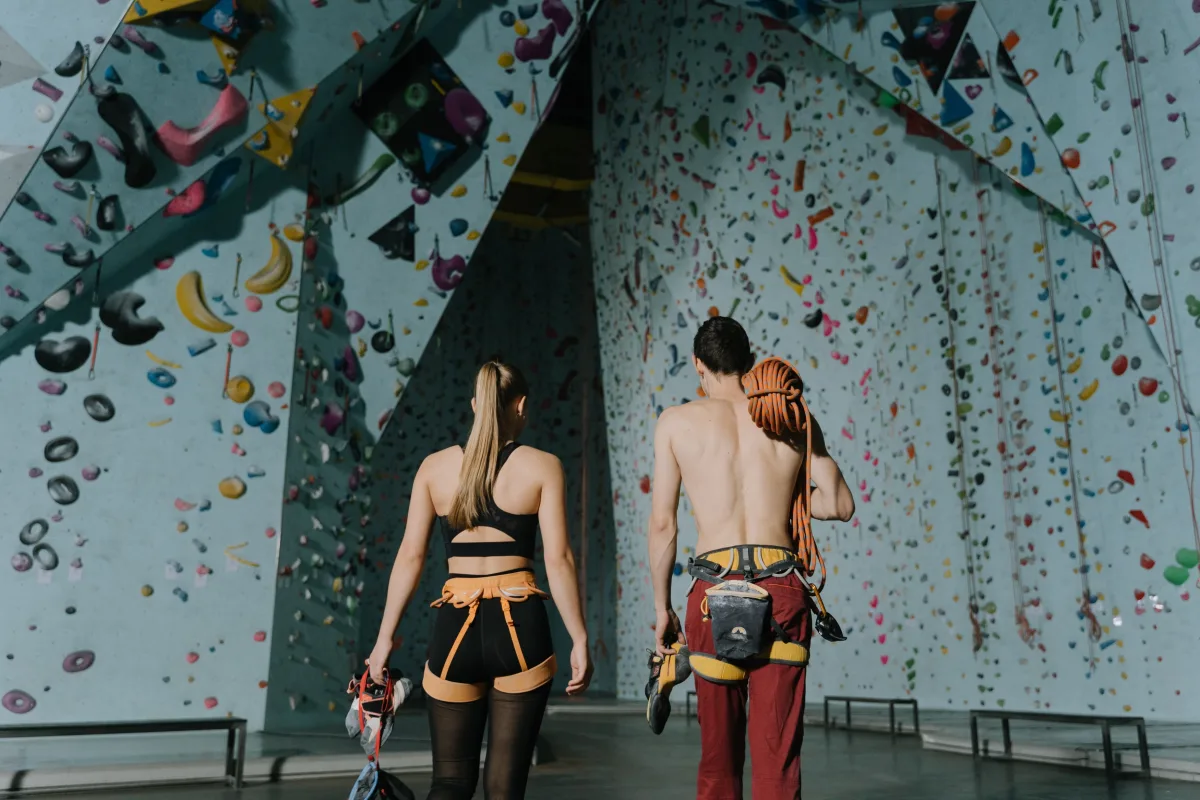
Reviewed by the Grounded Pick editorial team. This guide is based on manufacturer specifications, independent lab tests, and verified buyer feedback aggregated from OutdoorGearLab, Climbing.com, and published industry data. It does not reflect hands-on testing by Grounded Pick. We may earn a commission when you use our links to make a purchase. Full disclosure →
TL;DR — Key Takeaways
- Your gym harness, belay device, and chalk bag all work outdoors — no need to replace them.
- Climbing shoes are the biggest gear divergence: gym shoes wear fast on rough rock; get a dedicated outdoor pair if you climb outside regularly.
- A rope, helmet, and approach shoes are outdoor-only purchases most gym climbers forget to budget for.
- Start with safety-critical gear (harness, helmet, belay device, locking carabiners) before spending on a rack or trad gear.
- Don't buy everything at once — rent for your first few outdoor trips, then fill gaps.
You've been leading 5.10s at the gym for six months. Someone finally invites you to a real crag. You pull up a gear list — and immediately hit a wall.
Do your gym shoes work on granite? Do you need a rope? What's a rack, and how much of one do you actually need on day one?
Most gear guides assume you're already an outdoor climber. This one starts where the confusion actually lives: the indoor-to-outdoor transition, and exactly what crosses over versus what you need to buy before your first trip outside.
What Climbing Gear Transfers from Gym to Crag (and What Doesn't)
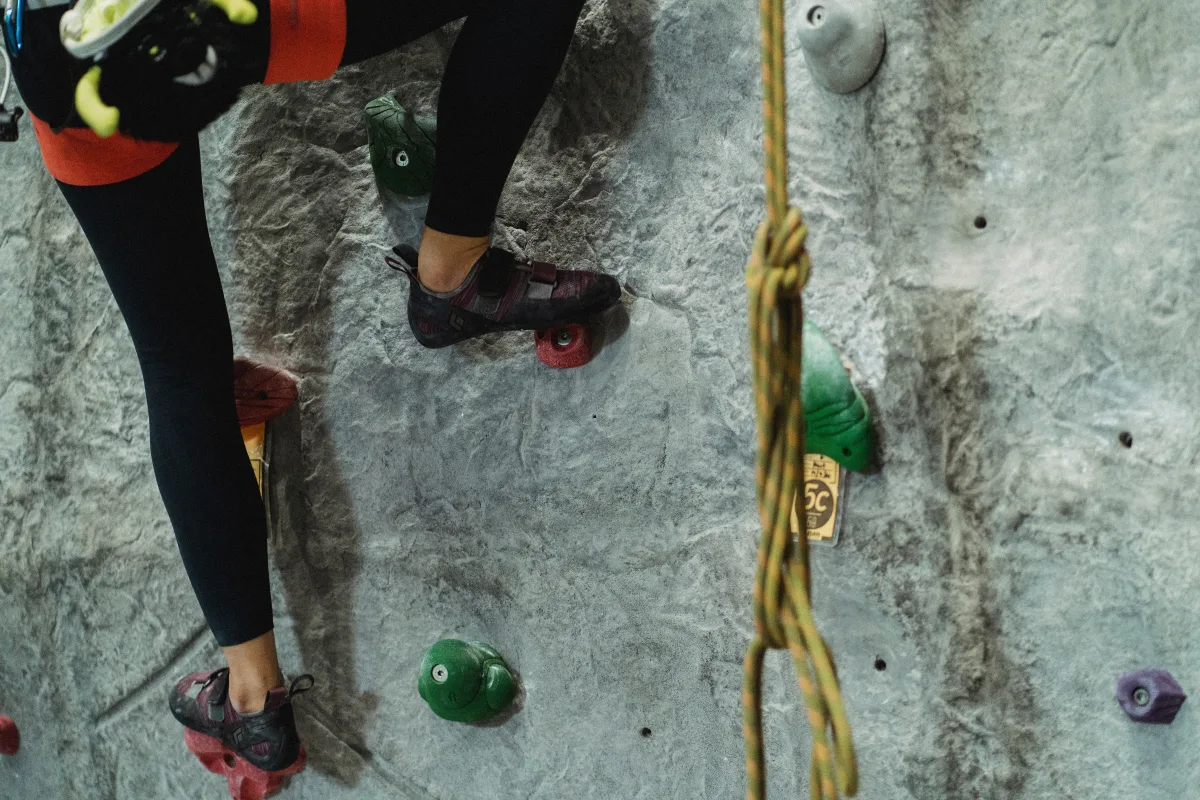
Before spending anything, know which gear categories overlap and which don't. Buying the gym-optimized version of something for outdoor use — or vice versa — is an avoidable and expensive mistake.
Gear That Transfers Cleanly
Harness: A well-fitted harness works in both settings without compromise. The same Petzl or Black Diamond harness you clip into at the gym is the one you'll use at the anchor outdoors.
Belay device: Your Petzl GriGri or Black Diamond ATC works identically outdoors. No need to replace it.
Chalk bag and locking carabiners: Both transfer cleanly. The carabiner you use at the gym is the same one you'll clip into an anchor at the crag.
Gear That Doesn't Transfer Well
Climbing shoes are the biggest divergence point. Gym-optimized shoes are built for sensitivity on plastic holds — aggressively downturned, with sticky rubber prioritized over durability. Outdoor shoes need to handle rock friction, crack climbing, and longer sessions on rough surfaces. Using a pure comp shoe on granite wears the rubber faster and may sacrifice the edging stiffness you need on small natural footholds.
Ropes are an outdoor-only purchase for most climbers. Gyms provide top-rope setups; you don't need to own a rope until you're leading outdoors. When you do buy one, it must be a dynamic single rope rated for lead falls — not a static line.
Helmets are the gear category most gym-to-outdoor transitioners forget entirely. They're rarely worn indoors. Outdoors, they're essential: loose rock, gear dropped from parties above you, and the impact characteristics of natural surfaces all create risks that don't exist in a gym.
Backpacks and approach shoes have no indoor equivalent at all. You need something to carry your rope and rack to the crag, and footwear that handles trail terrain between the parking area and the wall.
According to Strategic Market Research, indoor climbing has grown substantially across the US, UK, and Europe — which means more gym climbers are making this transition and running into exactly this gear gap. For how climbing fits into a broader outdoor kit, see our Outdoor & Sports Gear: The 2026 Buyer's Guide.
One trend to note in 2026: modular gear. Some brands now offer adjustable harnesses, multi-use ropes, and interchangeable helmet liners designed to perform across environments. These crossover products are more viable than they used to be — but they still don't fully replace purpose-built gear at the performance edges of either setting.
Best Climbing Shoes 2026: Gym vs. Outdoor — Which Model Is Right for You?
No single piece of climbing gear gets more attention — or causes more buyer confusion — than shoes. As Climbing.com noted in their April 2026 review, brands now offer such wide shoe lines that it's hard to believe there were once only a handful of options. Here's how the tested leaders break down by use case.
Best Shoes for Bouldering and Gym Training
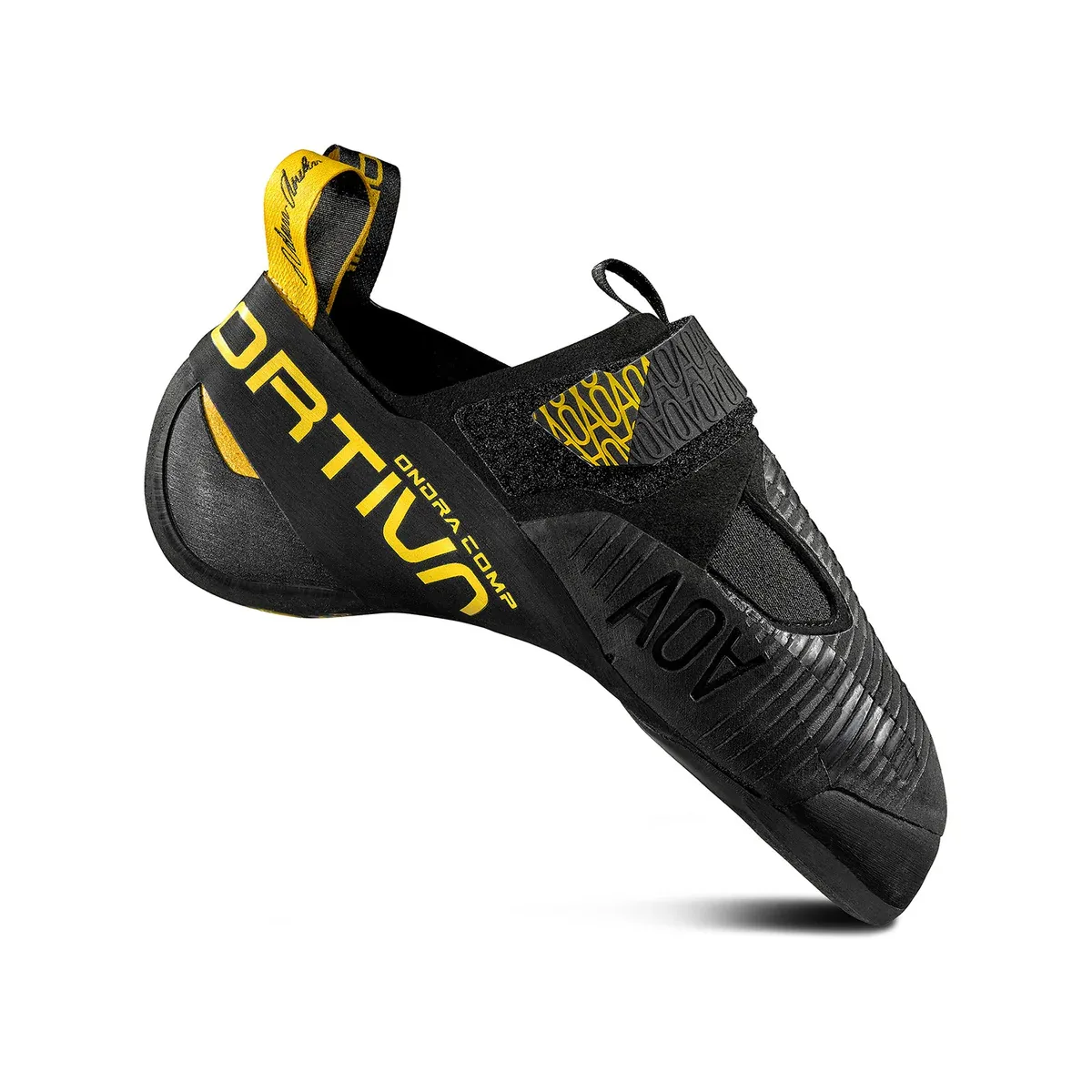
La Sportiva Ondra Comp — Best Bouldering Shoe (Climbing.com 2026). Built for competition-style plastic holds: aggressively downturned, precise toe box, maximum contact on small features. Not comfortable for more than a session at a time. Best for intermediate-to-advanced gym climbers and boulderers.
Evolv Zenist Pro — Best Comp-Style Gym Shoe (Climbing.com 2026). Slightly less aggressive than the Ondra Comp, which makes it more wearable across longer training sessions while still delivering the sensitivity gym climbing demands. Strong choice for climbers who train regularly but aren't competing.
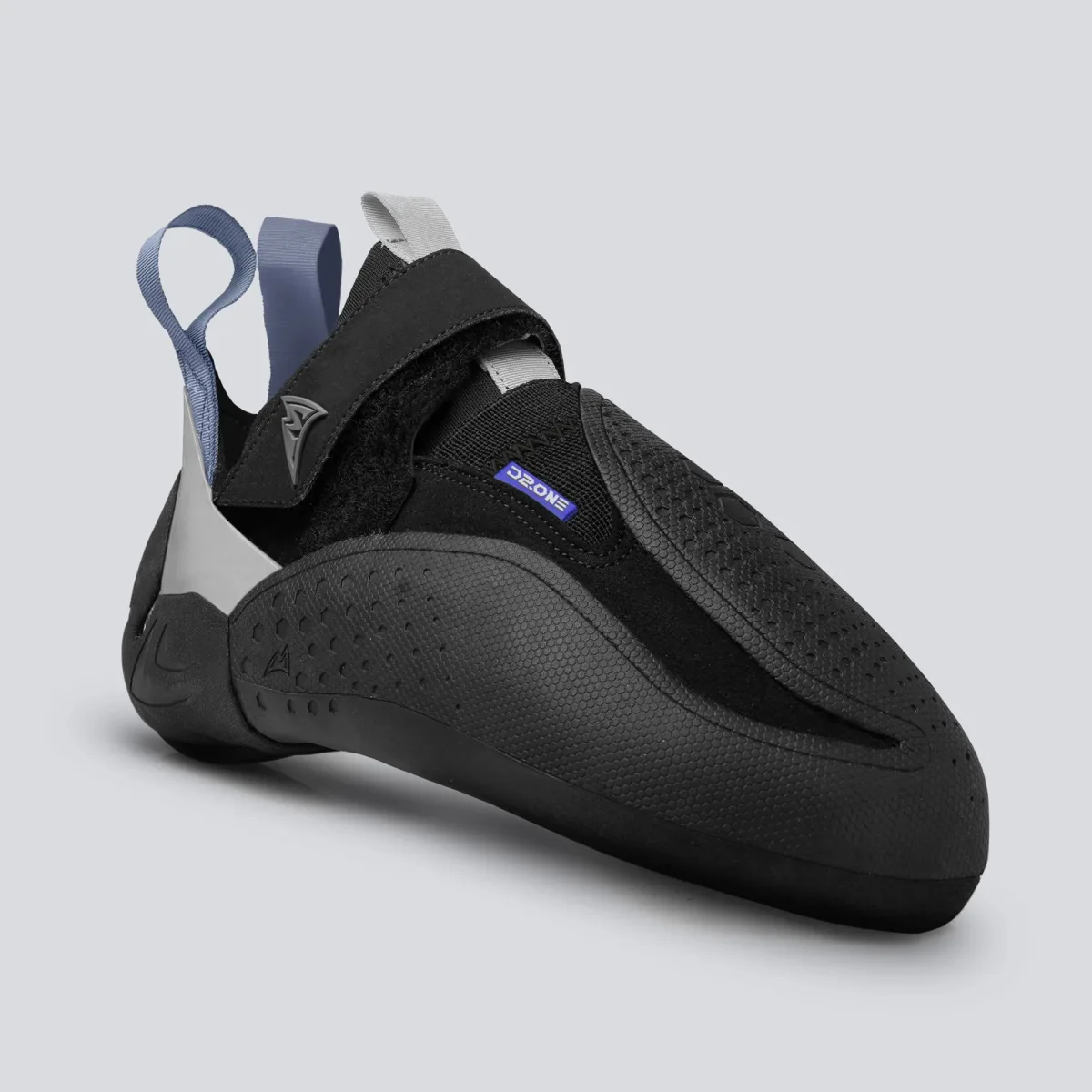
Mad Rock D2 One — Best Value Gym Shoe. Punches above its price point for pocket and jib work. A reasonable first performance shoe for climbers upgrading from a beginner flat without breaking the bank.
La Sportiva Mantra — Best Slipper for Gym Volume. Comfortable enough for high-rep training sessions, sensitive enough to feel the holds. Ideal if you're logging a lot of gym mileage.
Ocún Jett S — Budget Training Pick. Useful for climbers who need a second pair for volume sessions without destroying their primary shoe.
Best Shoes for Outdoor Sport and Trad
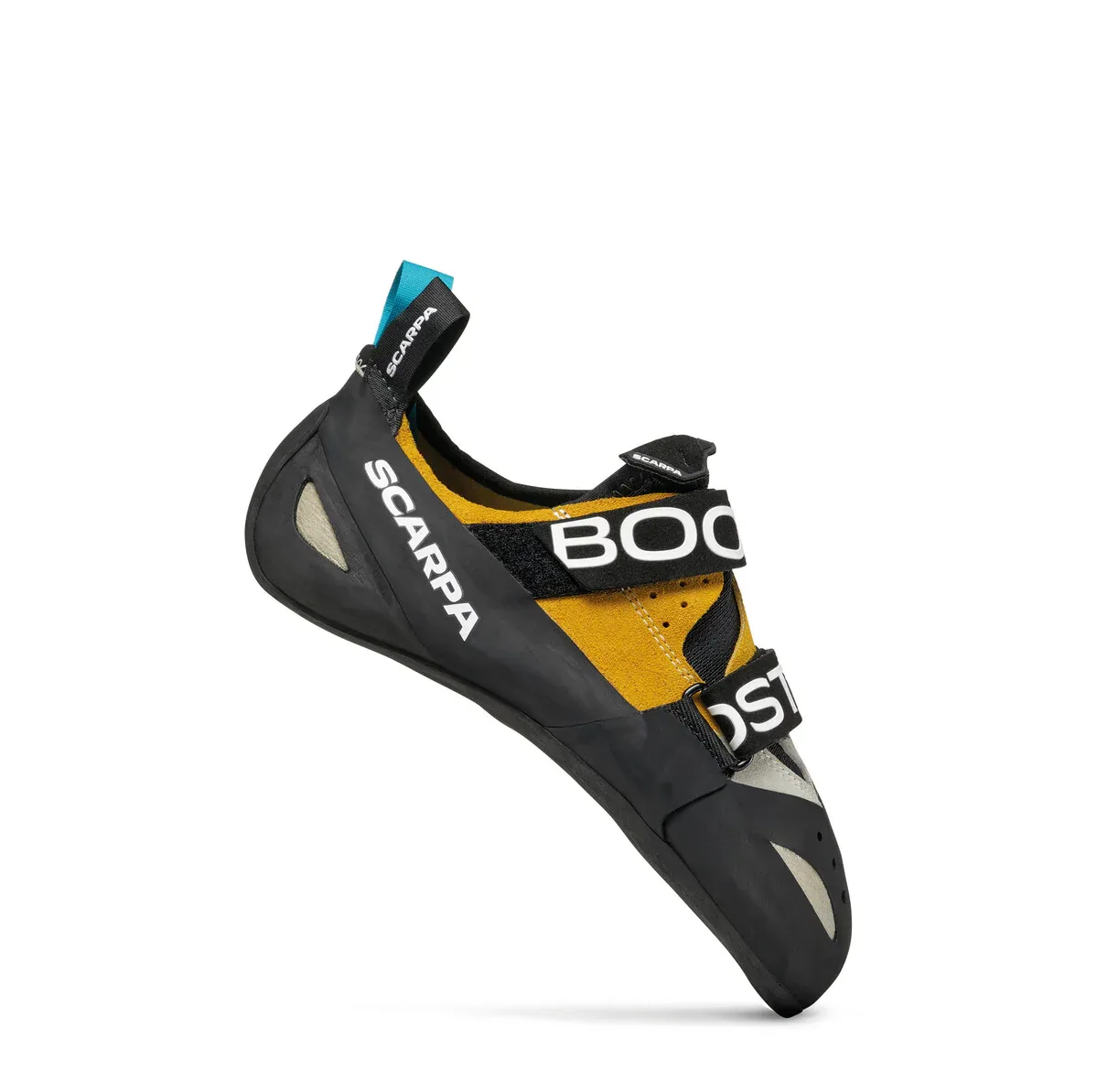
Scarpa Boostic R — Best Micro-Edging Shoe. On small granite or limestone edges, its stiffness and precision outperform gym-optimized shoes that flex too much on natural rock.
Scarpa Generator Mid — Best Crack Climbing Shoe. The mid-cut design and flat sole protect the foot inside crack features in ways a downturned shoe simply can't replicate.
A note on fit and injury: According to Climbing Industry Statistics 2026, finger tendon pulley injuries account for 30% of all reported climbing medical issues. While that's primarily a training-load problem, ill-fitting shoes that force unnatural foot positioning can compound strain throughout your body. Beginners should prioritize fit and comfort over performance features — a neutral shoe with a moderate downturn is the right starting point.
Best Climbing Ropes 2026: What to Look for Before You Buy
A rope is the most expensive single purchase most outdoor climbers make, and the one piece of gear where cutting corners has direct safety consequences.
As OutdoorGearLab put it in their 2026 testing: a rope needs to feel natural in your hands, last through sustained use, and not be unnecessarily heavy. Every rope decision is a trade-off between those four variables: handling, durability, weight, and dry treatment.
Top Pick: Petzl Summit Evo
The Petzl Summit Evo earned the OutdoorGearLab Editors' Choice Award in 2026, recognized for its combination of handling, durability, and dry treatment quality. It's not the lightest rope on the market, but it performs consistently across conditions — which matters more for most climbers than shaving a few grams.
Key Factors When Choosing a Rope
Dry treatment: An untreated rope absorbs water in wet or alpine conditions, becomes significantly heavier, and loses a measurable amount of strength. If you're climbing in the Pacific Northwest, the Northeast, or any alpine environment, dry treatment isn't a luxury — it's a practical requirement. In dry desert environments like the American Southwest, an untreated rope is a reasonable way to save money.
Diameter: Thinner ropes (under 9.5mm) are lighter and easier to clip, but wear faster and are less forgiving for beginners. Thicker ropes (9.8mm–10.2mm) last longer and handle higher use volume — the better starting point for gym-to-outdoor transitioners climbing frequently.
UIAA fall rating: The number of factor-2 falls a rope can hold in standardized testing. The most useful single benchmark for comparing rope quality across brands.
Gym climbers: you don't need a rope. This is a purely outdoor purchase. If you're only climbing indoors, skip this section and put the budget toward shoes or a harness.
Climbing Backpacks and Approach Shoes: The Outdoor-Only Kit You Can't Skip
First-time outdoor climbers consistently underestimate how much the approach matters. Getting to the crag — sometimes a 45-minute walk over loose scree with a rope, rack, water, and layers on your back — is its own physical challenge. The gear you use to get there affects your energy, safety, and comfort on the wall itself.
Best Climbing Backpacks 2026
A climbing-specific pack needs to carry a rope, rack, water, and layers while staying stable on uneven terrain. General hiking packs often lack the features climbers need: dedicated rope compartments, gear loops, and haul points.
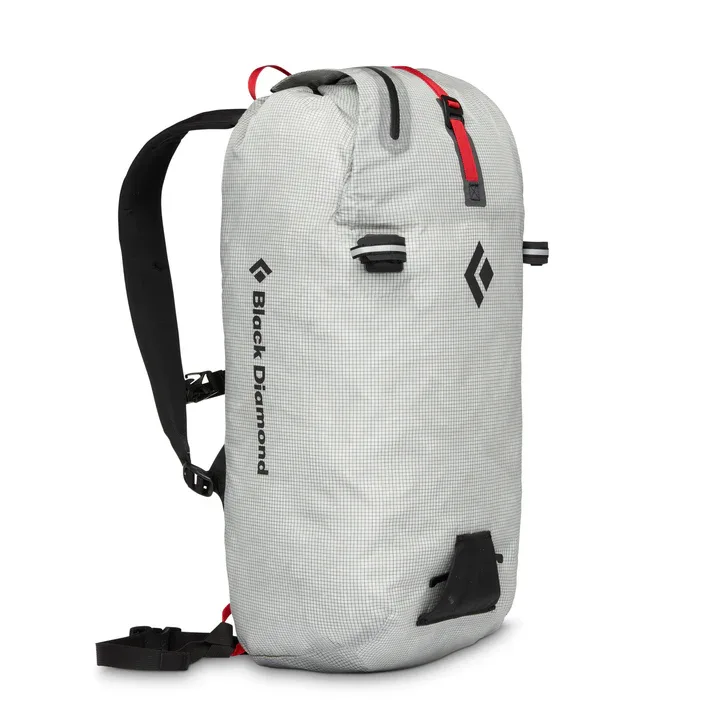
Black Diamond Blitz 28L — Best Buy Award, OutdoorGearLab 2026. At 28 liters, it's sized appropriately for a single-pitch or moderate multi-pitch day — enough room for the essentials without becoming a burden on the approach. Strong default choice for anyone building their first outdoor kit.
If you're also looking at lightweight options for longer approaches, our Best Camping & Hiking Gear Guide 2026 covers ultralight pack options and layering systems worth considering.
Best Approach Shoes 2026
Approach shoes occupy the space between hiking boots and climbing shoes. They let you walk to the crag comfortably, scramble over technical terrain, and occasionally smear on low-angle rock without switching footwear. A good pair saves your climbing shoes' rubber from trail wear and gives you precision footwork on terrain that hiking boots can't handle.
Asolo Eiger XT GV Evo — Editors' Choice, OutdoorGearLab 2026. Best for climbers tackling serious alpine or mixed-terrain approaches.
La Sportiva Trango Tower Extreme GTX — Best Buy Award, OutdoorGearLab 2026. More support for climbers on longer or more demanding approaches.
For detailed trail footwear comparisons across categories, our Best Hiking Boots 2026 guide covers waterproof and lightweight options that work well alongside approach shoes.
Gaiters: For approaches through scree, snow, or dense brush, gaiters add meaningful protection without much weight. OutdoorGearLab gave Editors' Choice to both the Outdoor Research Rocky Mountain High (demanding alpine) and the REI Co-op Sahara (versatile everyday option) in 2026.
Harnesses, Helmets, and Belay Devices: Safety Gear for Both Settings
Safety gear is where the cost of a bad decision is highest — and the information environment is most confusing. Here's what actually matters across each category.
Climbing Harnesses
A well-fitting harness is the most universally transferable piece of climbing gear. Fit is the primary variable — a harness that sits correctly on your hips and doesn't compress uncomfortably after an hour on the wall is worth more than any specific brand feature. Mid-range options from Black Diamond, Petzl, and Mammut cover the needs of most climbers without a premium spend.
Climbing Helmets
Helmet use is the starkest behavioral gap between indoor and outdoor climbers. Indoors, they're rarely worn — the environment is controlled and rockfall isn't a factor. Outdoors, they're essential. Loose rock, gear dropped by parties above you, and the impact characteristics of natural surfaces all create risks that don't exist in a gym.
Budget for a helmet before your first outdoor trip, not after. It's not an optional upgrade.
Belay Devices
Belay devices range from basic tube-style ATCs to assisted-braking devices like the Petzl GriGri. Assisted-braking devices are increasingly recommended for both settings, particularly for newer climbers.
Here's the hard data: Climbing Industry Statistics 2026 reports that 80% of indoor climbing accidents are caused by belayer error or improper tie-in. An assisted-braking device doesn't replace proper technique, but it reduces the consequences of momentary lapses in attention — a meaningful safety margin for newer climbers.
Carabiners
Locking carabiners are required for belay stations and anchors. Non-locking carabiners are used in quickdraws for clipping bolts on sport routes. Twist-lock carabiners (two-action) are generally preferred for ease of use; screw-lock carabiners remain reliable for anchor applications. Tri-action lockers are secure but take some getting used to — not the best starting point for beginners.
For climbers moving into alpine or mixed terrain, the Black Diamond Raven ice axe earned a Best Buy Award from OutdoorGearLab in 2026. Relevant for anyone pushing into higher-elevation objectives where snow and ice become factors.
Chalk, Chalk Bags, and Training Accessories: Small Gear, Real Impact
Chalk is one of the few pieces of gear that transfers perfectly between indoor and outdoor climbing with zero modification. The format matters more than most beginners expect.
Loose chalk offers the most coverage and is standard for outdoor climbing.
Chalk balls reduce waste and mess.
Liquid chalk — chalk suspended in alcohol — dries on application and leaves a thin, even layer. Many gyms prefer or require it due to airborne dust restrictions. If you're primarily a gym climber, liquid chalk is worth having regardless of your gym's specific policy: it lasts longer between applications during a session.
Training accessories and injury prevention: According to Climbing Industry Statistics 2026, proper warmup routines reduce climbing injury risk by 44%. Fingerboards and hangboards are the most widely used tools for building the finger strength that limits most intermediate climbers' progress. Kilter boards now support over 100,000 unique routes, making them among the most versatile training tools available.
How to Build Your First Complete Outdoor Climbing Rack Without Overspending
The global rock climbing gear market is valued at USD 1.29 billion in 2026, according to Business Research Insights, projected to reach USD 1.95 billion by 2035. But for an individual climber building their first outdoor kit, the question is simpler: what do I buy first, and in what order?
Here's a prioritized build sequence:
Layer 1 — Safety-critical and non-negotiable: Harness, helmet, belay device, and locking carabiners. These are the pieces you cannot borrow indefinitely and cannot safely skip. Budget roughly $200–$350 for this layer depending on brand choices.
Layer 2 — Rope (if you're leading outdoors): A 60-meter dry-treated single rope in the 9.5mm–10.0mm range covers most sport climbing scenarios. Expect to spend $200–$300 for a quality option like the Petzl Summit Evo. If you're only top-roping with friends who own ropes, this purchase can wait.
Layer 3 — Approach shoes and pack: The Black Diamond Blitz 28L and Asolo Eiger XT GV Evo are tested, award-winning choices. Less expensive alternatives exist if budget is tight.
Layer 4 — Sport climbing quickdraws: Six to ten quickdraws covers most single-pitch sport routes. Trad gear (nuts, cams) is a larger investment that makes sense only once you've committed specifically to that discipline.
Don't try to buy everything at once. Renting gear from a gym or guide service for your first few outdoor trips is a practical way to test what you actually use before committing to purchases. The climbing community is also unusually generous about lending gear — use that resource while you're building your kit incrementally.
If you want to compare climbing gear costs against other outdoor pursuits, our REI Review 2026 breaks down how REI's co-op membership and rental program can meaningfully reduce your upfront spend across all outdoor categories.
Frequently Asked Questions
Can I use my gym climbing shoes outdoors?
It depends on the shoe and the terrain. Aggressive, downturned gym shoes like the La Sportiva Ondra Comp will work on some outdoor routes — particularly steep sport climbs. But they wear faster on rough rock, don't edge as well as stiffer outdoor shoes, and are genuinely uncomfortable on longer approaches or crack climbing. If you climb outdoors regularly, a dedicated outdoor shoe is worth the investment.
Do I need to own a rope to climb outdoors?
Not immediately. If you're top-roping with friends who own gear, or hiring a guide for your first outdoor sessions, you can get by without one. Once you're leading outdoors independently, owning a dynamic single rope becomes necessary. A dry-treated rope in the 9.5mm–10.0mm range is the most versatile starting point.
Is a helmet really necessary for outdoor climbing?
Yes — and this isn't a close call. The risk profile outdoors is fundamentally different from a gym. Loose rock, gear dropped from above, and the impact characteristics of natural surfaces all create hazards that don't exist indoors. Helmets are standard practice among experienced outdoor climbers for good reason.
What's the difference between a belay device and an assisted-braking device?
A standard tube-style belay device (like a Black Diamond ATC) requires the belayer to actively maintain a braking position at all times. An assisted-braking device (like the Petzl GriGri) uses a camming mechanism to help lock the rope under load, providing a backup if the belayer's brake hand slips. Given that 80% of indoor climbing accidents are caused by belayer error, assisted-braking devices are increasingly recommended — especially for newer climbers.
How much does a complete beginner outdoor climbing kit cost?
A functional first outdoor kit — harness, helmet, belay device, locking carabiners, a rope, approach shoes, and a pack — runs roughly $700–$1,100 depending on brand choices and whether you buy new or used. Shoes are separate. Buying used gear (except ropes and helmets, which should always be purchased new with known histories) is a legitimate way to reduce that figure significantly.
What other outdoor gear should I consider alongside climbing?
If you're heading into the backcountry for multi-day climbing objectives, pairing your climbing kit with solid camping and hiking gear is essential. Our Best Camping & Hiking Gear 2026 guide and Best Hiking Boots 2026 guide cover the trail essentials that complement an outdoor climbing kit.
Final Recommendation: Who Should Buy What
If you climb exclusively indoors: Invest in a well-fitted harness, a quality assisted-braking belay device, and shoes matched to your discipline — the Evolv Zenist Pro for gym training, the La Sportiva Ondra Comp for serious bouldering. Add a chalk bag and liquid chalk. Skip the rope, helmet, pack, and approach shoes for now.
If you're making the gym-to-outdoor transition: Start with a helmet and a rope — the two items most transitioners overlook. Keep your harness and belay device. Add approach shoes and a pack before your first trip. Build your quickdraw rack afterward.
If you're committing to outdoor climbing long-term: The Petzl Summit Evo rope, Black Diamond Blitz 28L pack, and Asolo Eiger XT GV Evo approach shoes form a tested, award-backed outdoor foundation. Add shoes matched to your primary rock type — Scarpa Boostic R for sport routes, Scarpa Generator Mid for crack climbing.
This guide was researched and drafted with AI assistance, then reviewed and fact-checked by our editorial team before publishing. Recommendations are based on manufacturer specifications, independent testing data from OutdoorGearLab and Climbing.com, and verified user feedback. How we review →
Discussion
No comments yet. Be the first to share your thoughts.